


Paddle Wheel Aerator Solar
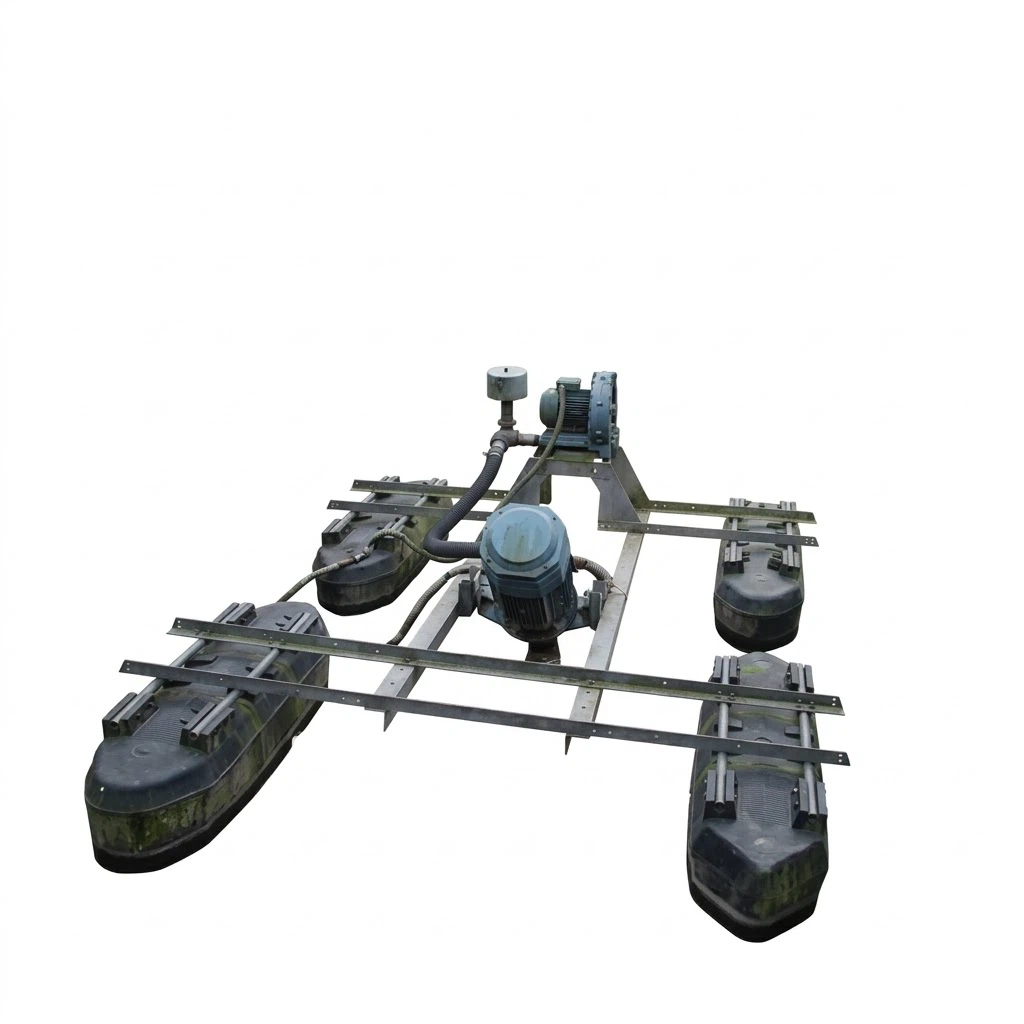
Advantages and disadvantages of waterwheel aerators 1. Advantages Surface oxygenation: The impeller hits the water surface at high speed to form water splashes and stir in air, quickly increasing the dissolved oxygen content of the surface water. It is especially suitable for shallow ponds with...
Send Inquiry
Product Introduction
Advantages and disadvantages of waterwheel aerators
1. Advantages
- Surface oxygenation: The impeller hits the water surface at high speed to form water splashes and stir in air, quickly increasing the dissolved oxygen content of the surface water. It is especially suitable for shallow ponds with a water depth of ≤1 meter (such as shrimp and crab farming), and will not stir up the bottom silt to avoid turbid water.
- Directional water flow control ability: It can produce a stable circulating water flow to meet the needs of eels and other organisms that prefer flowing water environments, while promoting residual bait and feces to gather in specific areas, which is convenient for sewage system cleaning.
- Energy saving: The 1.5kW model increases oxygen by 1.6kg/kW·h, and the combination of technologies such as arc bevel gear reducers can further reduce energy consumption, which is suitable for long-term operation of small and medium-sized ponds (1.5-4.5 acres).
- Simple structure and low maintenance cost: The core components are motors, reducers and impellers, with low mechanical failure rates. Daily maintenance is mainly to clean the impeller and check the circuit, which is easy to operate.

2. Disadvantages
- Weak oxygenation capacity in deep water areas: The water depth is only 0.8-1 meters, and it is impossible to increase the dissolved oxygen in the bottom of deep water areas (>2 meters), which may lead to anaerobic decomposition of organic matter at the bottom and accumulation of toxic substances.
- High energy consumption: Compared with the impeller aerator, the waterwheel type has a lower oxygenation efficiency per unit power, consumes more electricity for long-term operation, and is relatively economical.
- Limited coverage: The range of a single device is about 40 meters, and ponds with a long side of more than 60 meters require multiple devices to operate in coordination, otherwise the water circulation effect will be limited.
- Rely on stable power supply: It needs to be connected to a stable power supply. If used in remote areas or unstable power supply scenarios, oxygenation may be interrupted due to power outages, which may pose a risk to aquaculture.
Comprehensive suggestions
- The waterwheel aerator is an ideal choice for shallow ponds (such as shrimp, crab, and eel farming). It has both oxygenation and water quality control functions, but it should be avoided to be used alone in deep water scenarios. It is recommended to use an impeller or microporous aerator to build a layered aeration system to make up for the lack of oxygen in the bottom layer.
Previous
Deep Water Aeration MixerYou Might Also Like




Send Inquiry