

Hey there! As a supplier of Large Flow Aerators, I've seen firsthand how these powerful machines can transform water treatment processes. But like any piece of equipment, they need regular maintenance to keep them running smoothly. In this blog post, I'm going to break down the key maintenance tasks for a Large Flow Aerator, so you can get the most out of your investment.
1. Regular Visual Inspections
The first step in maintaining your Large Flow Aerator is to conduct regular visual inspections. This should be done at least once a week, but more frequently if the aerator is operating in a harsh environment. During these inspections, you'll want to look for any signs of damage or wear and tear.
Check the housing of the aerator for cracks or dents. These can compromise the integrity of the unit and lead to leaks or other issues. Look at the impellers, which are the rotating blades that create the flow of water. Make sure they're clean and free of debris. If you notice any chips or damage to the impellers, it's important to replace them as soon as possible.
Inspect the motor and electrical components. Look for any signs of overheating, such as discoloration or a burning smell. Check the wiring for fraying or loose connections. If you're not comfortable doing this yourself, it's best to call in a professional electrician.
2. Cleaning the Aerator
Cleaning is a crucial part of maintaining your Large Flow Aerator. Over time, dirt, debris, and algae can build up on the impellers and other components, reducing the efficiency of the aerator.
To clean the aerator, start by turning off the power and disconnecting it from the electrical supply. Remove the aerator from the water and use a soft brush or cloth to gently scrub away any dirt or debris. You can use a mild detergent if necessary, but make sure to rinse it thoroughly to avoid leaving any residue.
Pay special attention to the impellers. Use a small brush to clean the blades and remove any stubborn dirt or algae. If the impellers are severely clogged, you may need to soak them in a cleaning solution for a few hours before scrubbing.
Once you've cleaned the aerator, rinse it again with clean water and let it dry completely before reinstalling it.
3. Lubrication
Proper lubrication is essential for the smooth operation of your Large Flow Aerator. The bearings and other moving parts need to be lubricated regularly to reduce friction and prevent wear and tear.
Check the manufacturer's instructions for the recommended lubricant and lubrication schedule. In general, you'll want to lubricate the bearings every few months, but this may vary depending on the usage and operating conditions of the aerator.
Use a high-quality lubricant that is specifically designed for use with water treatment equipment. Apply the lubricant according to the manufacturer's instructions, making sure to cover all the necessary parts.
4. Checking the Air Supply
Large Flow Aerators rely on a steady supply of air to function properly. If the air supply is restricted or interrupted, it can affect the performance of the aerator.
Check the air intake and filter regularly to make sure they're clean and free of debris. A clogged air filter can reduce the amount of air flowing into the aerator, which can lead to decreased efficiency. Replace the air filter if it's dirty or damaged.

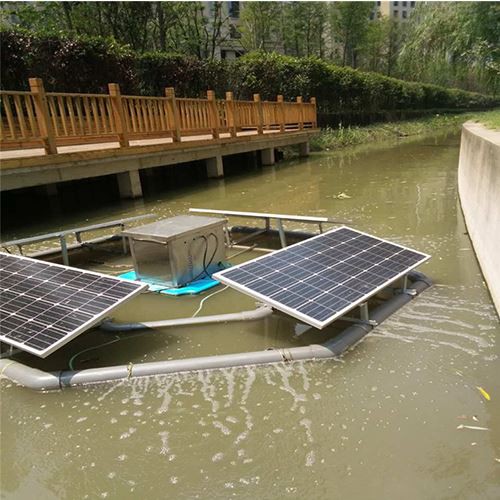
Inspect the air tubing for any signs of leaks or damage. If you notice any holes or cracks in the tubing, it's important to repair or replace it as soon as possible.
5. Monitoring Performance
Monitoring the performance of your Large Flow Aerator is an important part of maintenance. By keeping track of the aerator's performance, you can identify any potential issues early on and take corrective action before they become major problems.
Keep a log of the aerator's operating hours, power consumption, and water flow rate. Compare these values to the manufacturer's specifications to make sure the aerator is operating within the recommended range.
If you notice any significant changes in the performance of the aerator, such as a decrease in water flow or an increase in power consumption, it's important to investigate the cause. This could be due to a variety of factors, such as a clogged impeller, a damaged motor, or a problem with the air supply.
6. Professional Maintenance
While regular maintenance tasks can be performed by the user, it's also a good idea to have your Large Flow Aerator serviced by a professional at least once a year. A professional technician can perform a more thorough inspection and maintenance of the aerator, including checking the internal components and making any necessary adjustments or repairs.
During a professional maintenance service, the technician will typically perform the following tasks:
- Check the alignment of the impellers and motor.
- Inspect the seals and gaskets for leaks.
- Test the electrical components for proper operation.
- Clean and lubricate the internal components.
- Calibrate the aerator to ensure optimal performance.
By having your Large Flow Aerator serviced by a professional, you can extend its lifespan and ensure that it continues to operate efficiently.
Conclusion
Maintaining a Large Flow Aerator is essential for ensuring its long-term performance and reliability. By following these maintenance tips, you can keep your aerator running smoothly and avoid costly repairs and downtime.
If you're in the market for a Large Flow Aerator, be sure to check out our Large Flow Aerator product page. We also offer a range of other water treatment equipment, including Floating Fountain Aerator and Micro and Nano Bubble Generator.
If you have any questions or would like to discuss your water treatment needs, please don't hesitate to contact us. We're here to help you find the right solution for your project.
References
- Manufacturer's manuals for Large Flow Aerators
- Industry best practices for water treatment equipment maintenance


