

What is the vibration level of a submersible mixer?
As a supplier of submersible mixers, I've encountered numerous inquiries from customers regarding the vibration level of these essential pieces of equipment. Understanding the vibration level of a submersible mixer is crucial as it directly impacts the mixer's performance, lifespan, and the overall efficiency of the system in which it operates.
The Significance of Vibration in Submersible Mixers
Vibration is an inevitable phenomenon in mechanical equipment, including submersible mixers. However, excessive vibration can lead to a series of problems. Firstly, it can cause accelerated wear and tear of the mixer's components. The constant shaking can loosen bolts, damage bearings, and even crack the housing of the mixer. This not only shortens the lifespan of the mixer but also increases the frequency of maintenance and replacement, resulting in higher costs for the end - user.
Secondly, excessive vibration can affect the mixing performance. A submersible mixer is designed to create a uniform flow and dispersion of substances in a liquid medium. When the mixer vibrates too much, it may disrupt the intended flow pattern, leading to uneven mixing. This is particularly critical in applications such as wastewater treatment, where proper mixing is essential for the effective removal of pollutants.
Factors Affecting the Vibration Level
- Imbalance of the Impeller
The impeller is the key rotating component of a submersible mixer. If the impeller is not balanced correctly during the manufacturing process or becomes unbalanced due to wear and tear, it will generate significant vibration. An unbalanced impeller creates an uneven distribution of mass around the axis of rotation, causing centrifugal forces that result in vibration. For example, if debris accumulates on one side of the impeller, it can disrupt the balance and increase the vibration level. - Motor Issues
The motor is the power source of the submersible mixer. Problems with the motor, such as misalignment, worn - out bearings, or electrical issues, can also lead to increased vibration. A misaligned motor shaft can cause the impeller to rotate at an angle, creating additional forces that result in vibration. Worn - out motor bearings can no longer support the shaft smoothly, leading to excessive play and vibration. - Installation Conditions
The way a submersible mixer is installed can have a significant impact on its vibration level. If the mixer is not properly mounted or secured, it can vibrate freely. For instance, if the mounting base is not level or the bolts are not tightened enough, the mixer may vibrate excessively during operation. Additionally, the depth at which the mixer is installed in the liquid can also affect vibration. If the mixer is too close to the bottom or the side of the tank, the flow pattern may be disrupted, leading to increased vibration.
Measuring the Vibration Level
To ensure the proper operation of a submersible mixer, it is necessary to measure its vibration level regularly. There are several methods and instruments available for this purpose.
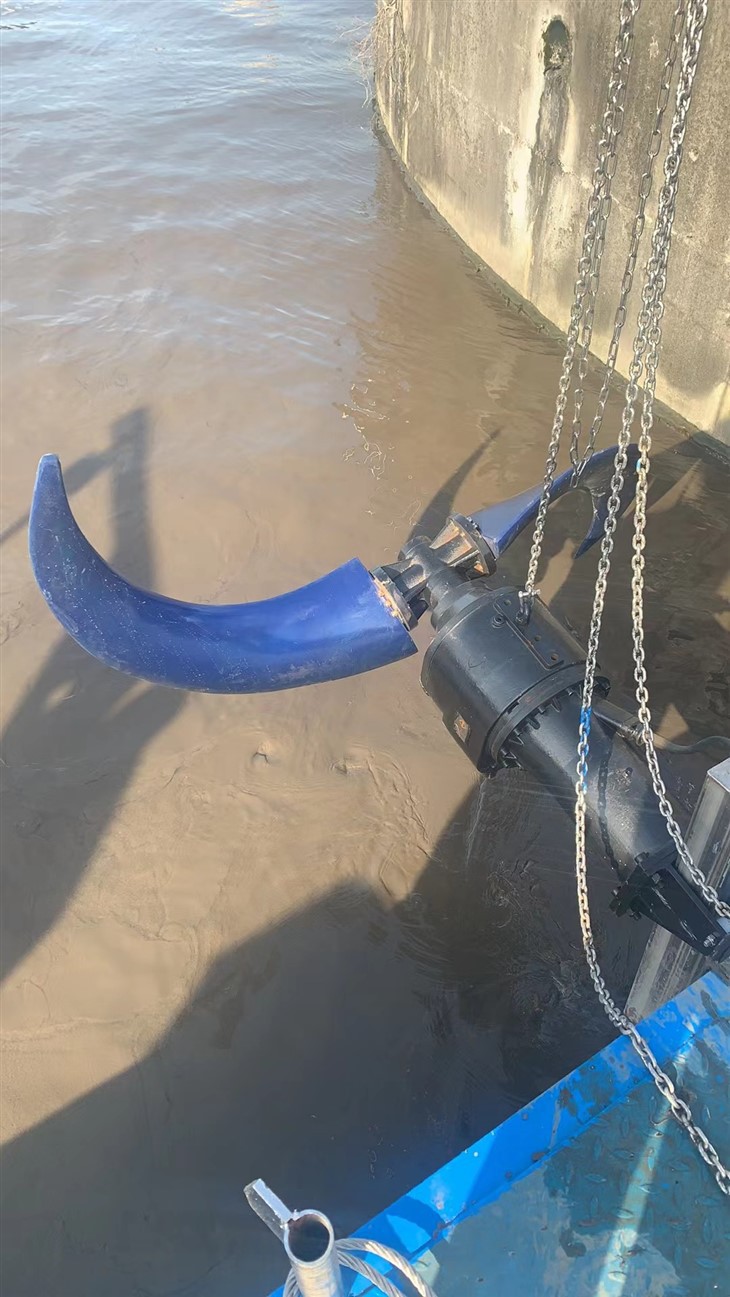
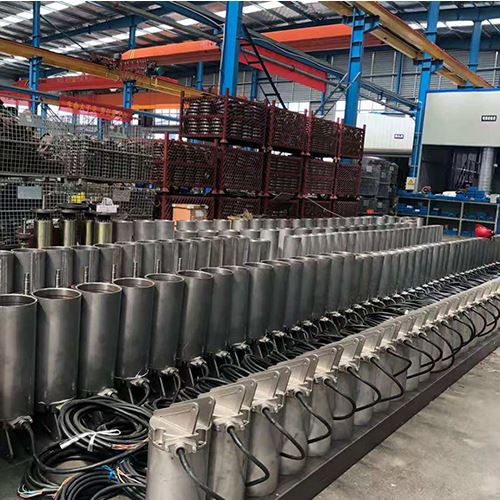
- Vibration Sensors
Vibration sensors are commonly used to measure the vibration level of submersible mixers. These sensors can detect the amplitude, frequency, and direction of vibration. They can be attached to the housing of the mixer or other critical components. The data collected by the sensors can be analyzed to determine if the vibration level is within the acceptable range. For example, a piezoelectric vibration sensor can convert mechanical vibrations into electrical signals, which can then be processed and displayed on a monitoring device. - Laser Alignment Tools
Laser alignment tools can be used to check the alignment of the motor and the impeller shaft. By emitting a laser beam, these tools can accurately measure the alignment of the components. Misalignment is a common cause of vibration, and using laser alignment tools can help identify and correct this issue before it leads to excessive vibration.
Acceptable Vibration Levels
The acceptable vibration level of a submersible mixer depends on various factors, such as the type of mixer, its size, and the application. In general, for most submersible mixers used in wastewater treatment and industrial applications, the vibration level should be kept within a certain range. According to industry standards, the vibration amplitude should typically be less than a few millimeters per second. However, it is important to note that different manufacturers may have their own specific requirements and guidelines for acceptable vibration levels.
Our Products and Vibration Control
At our company, we are committed to providing high - quality submersible mixers with low vibration levels. Our Submersible Flow Thruster Qjb is designed with advanced impeller technology to ensure balanced rotation and minimal vibration. The impellers are precisely machined and dynamically balanced during the manufacturing process to reduce the risk of imbalance - induced vibration.
Our Frame Mixer is also engineered with a robust motor and a stable mounting structure. The motor is carefully selected and tested to ensure smooth operation, and the mounting frame is designed to provide a solid foundation, minimizing the impact of vibration on the mixer.
In addition, our QJB Submersible Mixer undergoes strict quality control during the production process. We use high - quality materials and advanced manufacturing techniques to ensure the reliability and low - vibration performance of the mixer. Before leaving the factory, each mixer is thoroughly tested to ensure that its vibration level meets our strict standards.
Contact Us for Purchase and Consultation
If you are in need of a submersible mixer with a low vibration level and high performance, we invite you to contact us. Our team of experts is ready to provide you with detailed product information, technical support, and customized solutions based on your specific requirements. Whether you are involved in wastewater treatment, industrial mixing, or other applications, we have the right submersible mixer for you.
References
- "Handbook of Industrial Mixing: Science and Practice" by Edward L. Paul, Victor A. Atiemo - Obeng, and Suzanne M. Kresta.
- "Wastewater Treatment: An Overview" by the Environmental Protection Agency.
- Manufacturer's technical documentation for submersible mixers.
