

The starting torque of a vertical turbine is a crucial parameter that significantly impacts its performance and application. As a supplier of vertical turbines, understanding this concept is essential for both us and our customers. In this blog, we will delve into the details of what the starting torque of a vertical turbine is, its importance, and the factors that influence it.
Definition of Starting Torque
The starting torque of a vertical turbine refers to the torque required to initiate the rotation of the turbine from a stationary state. It is the force that overcomes the inertia of the turbine's rotating parts, such as the impeller, shaft, and any attached equipment. This torque is necessary to get the turbine up to its operating speed and ensure that it can perform its intended function effectively.
In practical terms, the starting torque is the minimum amount of rotational force that must be applied to the turbine's shaft to start the fluid flow through the turbine. For a vertical turbine, which is often used in applications such as water pumping, power generation, and industrial processes, a sufficient starting torque is vital to ensure a smooth and reliable start-up.
Importance of Starting Torque
The starting torque plays a critical role in the overall performance and reliability of a vertical turbine. Here are some key reasons why it is so important:
- Reliable Start-up: A vertical turbine needs to start reliably every time it is required to operate. If the starting torque is insufficient, the turbine may fail to start or may experience a slow and jerky start, which can lead to mechanical stress on the components and potentially cause damage over time.
- Load Handling: In many applications, the vertical turbine is required to start under a load. For example, in a water pumping system, the turbine may need to start with water already in the pipes. A high starting torque allows the turbine to overcome the initial resistance and start the flow of water smoothly.
- Energy Efficiency: A turbine with an appropriate starting torque can reach its operating speed quickly, reducing the time and energy required for start-up. This can lead to improved energy efficiency and lower operating costs over the long term.
Factors Affecting Starting Torque
Several factors can influence the starting torque of a vertical turbine. Understanding these factors is essential for designing and selecting the right turbine for a specific application. Here are some of the main factors:
- Inertia of Rotating Parts: The inertia of the turbine's rotating parts, such as the impeller, shaft, and any attached equipment, has a significant impact on the starting torque. A larger inertia requires a higher starting torque to overcome it and initiate rotation.
- Fluid Properties: The properties of the fluid being pumped or processed by the turbine, such as viscosity and density, can also affect the starting torque. A more viscous or dense fluid will require a higher starting torque to start the flow.
- Load Conditions: The load conditions under which the turbine is required to start can have a major influence on the starting torque. For example, starting with a fully loaded system will require a higher starting torque than starting with an empty system.
- Motor Characteristics: The characteristics of the motor used to drive the vertical turbine, such as its power rating and torque-speed curve, can also affect the starting torque. A motor with a high starting torque can provide the necessary force to start the turbine.
Measuring Starting Torque
Measuring the starting torque of a vertical turbine can be a complex process that requires specialized equipment and techniques. One common method is to use a torque transducer, which is a device that measures the torque applied to a shaft. The transducer can be installed between the motor and the turbine shaft to measure the starting torque directly.
Another method is to use a dynamometer, which is a device that measures the power and torque output of a machine. By measuring the power and speed of the motor during start-up, the starting torque can be calculated using the following formula:
[T = \frac{P}{\omega}]
where (T) is the torque, (P) is the power, and (\omega) is the angular velocity.
Applications of Vertical Turbines
Vertical turbines are used in a wide range of applications, including:
- Water Pumping: Vertical turbines are commonly used in water pumping systems, such as in water treatment plants, irrigation systems, and municipal water supply systems. In these applications, the starting torque is crucial to ensure a reliable start-up and efficient operation.
- Power Generation: Vertical turbines can also be used in power generation applications, such as in hydroelectric power plants. In these applications, the starting torque is important to ensure that the turbine can start quickly and efficiently when the power demand increases.
- Industrial Processes: Vertical turbines are used in various industrial processes, such as in chemical plants, oil refineries, and food processing plants. In these applications, the starting torque is essential to ensure that the turbine can start under different load conditions and operate reliably.
Our Products and Solutions
As a supplier of vertical turbines, we offer a wide range of products and solutions to meet the diverse needs of our customers. Our vertical turbines are designed and manufactured to provide high starting torque, reliable performance, and energy efficiency.
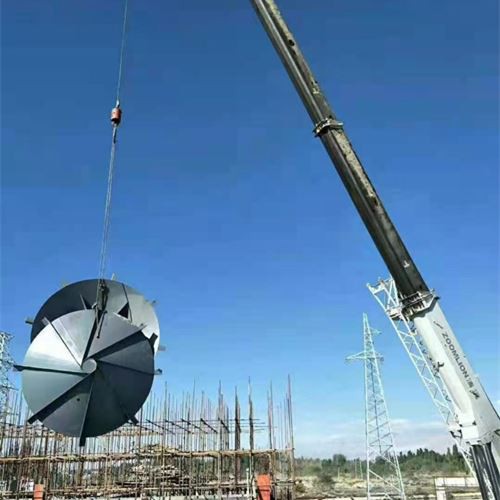

We also offer a range of related products, such as Vertical Pump Aerators, Paddle Wheel Aerator Solar, and Deep Water Pond Air Pump, which can be used in conjunction with our vertical turbines to enhance their performance and efficiency.
Contact Us for Purchase and Consultation
If you are interested in purchasing a vertical turbine or have any questions about our products and solutions, please feel free to contact us. Our team of experts will be happy to assist you in selecting the right turbine for your specific application and provide you with all the necessary information and support.
We are committed to providing our customers with high-quality products, excellent service, and competitive prices. Whether you are a small business or a large industrial enterprise, we have the expertise and resources to meet your needs.
References
- "Pump Handbook" by Igor Karassik et al.
- "Mechanical Engineering Design" by Joseph Shigley and Charles Mischke.
- "Fluid Mechanics" by Frank White.
