

As a reputable supplier of submersible mixers, I am often asked about the power range of a typical submersible mixer. This is a crucial question, as the power of a submersible mixer directly influences its performance, efficiency, and suitability for various applications. In this blog post, I will delve into the power range of typical submersible mixers, explore the factors that determine the appropriate power, and introduce some of our popular submersible mixer models.

Understanding the Power Range of Submersible Mixers
The power range of a typical submersible mixer can vary significantly depending on its design, size, and intended application. Generally, submersible mixers can have power ratings anywhere from a few hundred watts to several tens of kilowatts. For small-scale applications such as residential ponds, aquariums, or small wastewater treatment systems, submersible mixers with lower power ratings, typically in the range of 0.37 kW to 2.2 kW, are often sufficient. These low-power mixers are compact, energy-efficient, and capable of providing adequate mixing in relatively small volumes of liquid.
On the other hand, for large industrial wastewater treatment plants, large-scale aquaculture facilities, or other applications that require high-intensity mixing in large volumes of liquid, submersible mixers with higher power ratings are necessary. Power ratings for these high-capacity mixers can range from 3 kW to 30 kW or even higher. These powerful mixers are designed to generate strong currents and turbulence, ensuring thorough mixing and homogenization of the liquid.
Factors Influencing the Choice of Power
Several factors need to be considered when determining the appropriate power for a submersible mixer. These factors include the volume of the liquid to be mixed, the viscosity of the liquid, the desired mixing intensity, and the type of application.
- Volume of the Liquid: The larger the volume of the liquid, the more power is required to achieve effective mixing. A small mixer with low power may not be able to circulate and mix the liquid evenly in a large tank or basin. Therefore, for larger volumes, a higher-power mixer is usually recommended.
- Viscosity of the Liquid: Viscosity refers to the resistance of a liquid to flow. Liquids with high viscosity, such as thick slurries or sludge, require more power to mix compared to low-viscosity liquids like water. This is because higher viscosity liquids offer more resistance to the movement of the mixer blades, and more energy is needed to overcome this resistance and create the necessary mixing action.
- Desired Mixing Intensity: The degree of mixing required also affects the power selection. In some applications, such as gentle blending of chemicals in a solution, a lower mixing intensity may be sufficient, and a lower-power mixer can be used. However, in applications where complete homogenization, suspension of solids, or prevention of sedimentation is required, a higher mixing intensity is needed, and a more powerful mixer is necessary.
- Type of Application: Different applications have different requirements for mixing. For example, in wastewater treatment plants, submersible mixers are used for various purposes, including aerobic digestion, anaerobic digestion, and equalization. Each of these processes may require a different power level of the mixer to ensure optimal performance.
Popular Submersible Mixer Models and Their Power Ranges
At our company, we offer a wide range of submersible mixers to meet the diverse needs of our customers. Here are some of our popular models and their typical power ranges:
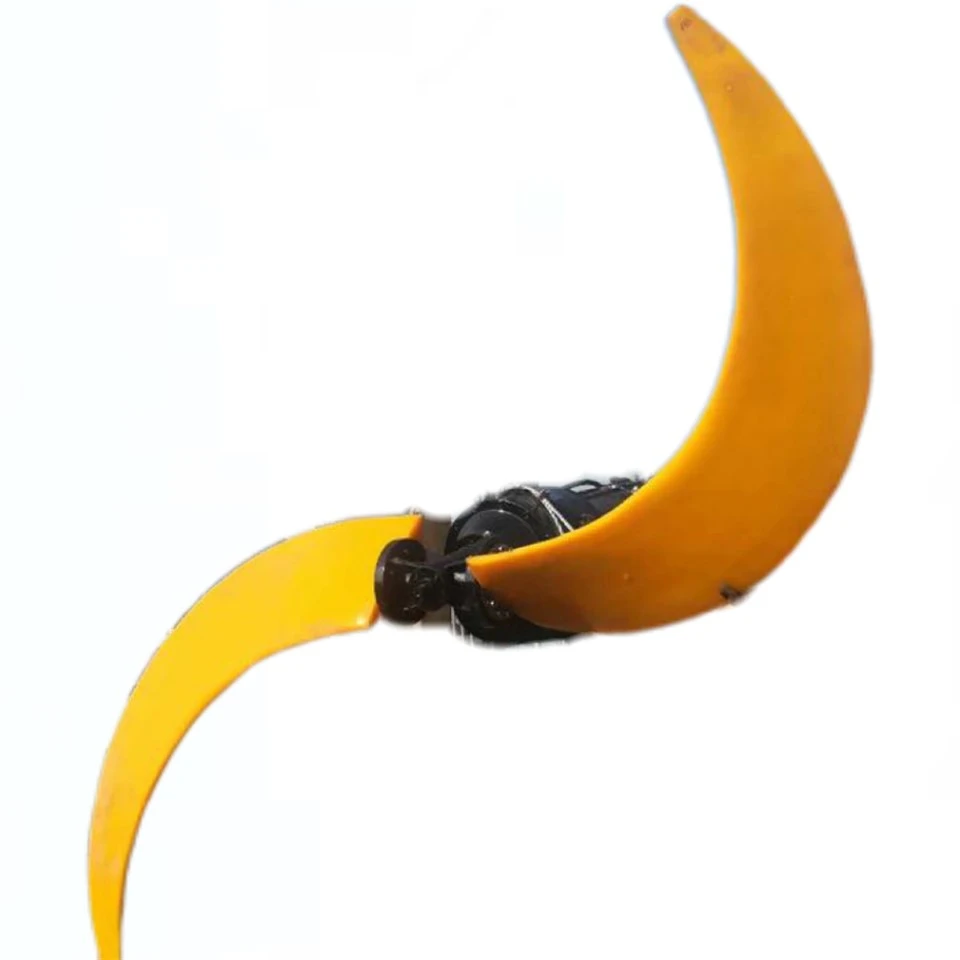
- Submersible Flow Thruster: The Submersible Flow Thruster is designed to create a strong flow of liquid in a specific direction. It is commonly used in applications where circulation and prevention of stagnant areas are required, such as in aquaculture ponds and wastewater treatment basins. The power range of our Submersible Flow Thruster typically ranges from 0.75 kW to 7.5 kW, depending on the size and model.
- QJB Submersible Mixer: The QJB Submersible Mixer is a versatile mixer that can be used in a variety of applications, including wastewater treatment, chemical mixing, and food processing. It features a robust design and high-efficiency impellers, which can provide effective mixing in different types of liquids. The power ratings of our QJB Submersible Mixer range from 0.55 kW to 15 kW, allowing for a wide selection based on the specific requirements of the application.
- Drift Tube Submersible Mixer: The Drift Tube Submersible Mixer is specifically designed for applications where gentle mixing and minimal shear are required. It is often used in processes such as fermentation, flocculation, and sedimentation. Our Drift Tube Submersible Mixer has a power range of 0.37 kW to 4 kW, making it suitable for small to medium-sized applications.
Benefits of Choosing the Right Power Submersible Mixer
Selecting the appropriate power submersible mixer for your application offers several benefits. Firstly, it ensures optimal mixing performance, which is essential for achieving the desired results in various processes. Whether it is ensuring the uniform distribution of chemicals in a solution, preventing the settling of solids in a tank, or promoting the growth of microorganisms in a wastewater treatment system, a well-matched power mixer can significantly improve the efficiency and effectiveness of the process.
Secondly, choosing the right power mixer can lead to energy savings. An oversized mixer may consume more energy than necessary, while an undersized mixer may not be able to perform the mixing task efficiently, resulting in longer operating times and increased energy consumption. By selecting a mixer with the appropriate power, you can minimize energy waste and reduce operating costs.
Finally, a properly sized power mixer can also extend the lifespan of the equipment. When a mixer is operating within its designed power range, it is less likely to experience excessive wear and tear, reducing the risk of breakdowns and the need for frequent maintenance.
Conclusion
In conclusion, the power range of a typical submersible mixer can vary widely depending on the application and specific requirements. When choosing a submersible mixer, it is important to consider factors such as the volume of the liquid, the viscosity of the liquid, the desired mixing intensity, and the type of application. At our company, we offer a variety of submersible mixers with different power ranges to meet the diverse needs of our customers. Our Submersible Flow Thruster, QJB Submersible Mixer, and Drift Tube Submersible Mixer are all designed to provide efficient and reliable mixing solutions.
If you are in need of a submersible mixer for your application, we encourage you to contact us for more information. Our team of experts can help you select the right mixer with the appropriate power based on your specific requirements. We look forward to discussing your needs and providing you with a suitable solution.
References
- Chemical Engineering Handbook, various editions
- Wastewater Treatment Technology Manuals
- Aquaculture Engineering and Management Journals


