

Hey there! As a supplier of submersible tank mixers, I often get asked about the power consumption of these nifty devices. It's a crucial question, especially for those looking to manage their operational costs and energy usage efficiently. So, let's dive right in and explore what affects the power consumption of a submersible tank mixer.
First off, what exactly is a submersible tank mixer? Well, it's a piece of equipment designed to be fully submerged in a tank to mix liquids, slurries, or other substances. These mixers are commonly used in various industries, including wastewater treatment, chemical processing, and food and beverage production. They come in different shapes and sizes, each with its own unique features and power requirements.
One of the main factors that influence the power consumption of a submersible tank mixer is the size of the tank. Larger tanks generally require more powerful mixers to achieve proper mixing. This is because the mixer needs to generate enough force to circulate the liquid throughout the entire volume of the tank. For example, a small tank with a capacity of a few hundred liters might only need a relatively low-power mixer, while a large industrial tank with a capacity of thousands or even millions of liters will require a much more powerful unit.
The viscosity of the liquid being mixed also plays a significant role. Viscosity refers to the thickness or resistance to flow of a liquid. Thicker, more viscous liquids require more energy to mix than thinner, less viscous ones. Think about trying to mix honey compared to water. Honey is much thicker and more resistant to movement, so you'd need to apply more force to get it to mix evenly. Similarly, a submersible tank mixer will need to consume more power to mix a highly viscous substance like a thick slurry or a heavy oil.
Another important factor is the type of mixing pattern required. Different applications may call for different mixing patterns, such as axial flow, radial flow, or a combination of both. Axial flow mixers create a flow pattern that moves parallel to the shaft of the mixer, while radial flow mixers create a flow pattern that moves perpendicular to the shaft. The type of mixing pattern needed will depend on the specific requirements of the process, and it can have a significant impact on the power consumption of the mixer. For example, some applications may require a more intense, turbulent mixing pattern to ensure thorough blending, which will generally require more power.
The speed at which the mixer operates is also a key determinant of power consumption. In general, the faster the mixer rotates, the more power it will consume. However, it's important to find the right balance between speed and power consumption. Running the mixer at too high a speed may not only increase energy costs but also cause excessive wear and tear on the mixer components. On the other hand, running the mixer at too low a speed may not achieve the desired mixing results.
Now, let's take a look at some of the specific models of submersible tank mixers that we offer. We have the Low Speed Flow Generator Qjb4, which is designed for applications where a gentle, low-speed mixing action is required. This mixer is energy-efficient and suitable for mixing low-viscosity liquids in small to medium-sized tanks.
Our Drifter Submersible Mixer is another popular option. It's a versatile mixer that can be used for a wide range of applications, including wastewater treatment, chemical mixing, and aquaculture. This mixer offers a high level of mixing efficiency and can be adjusted to different speeds and mixing patterns to meet the specific needs of each application.
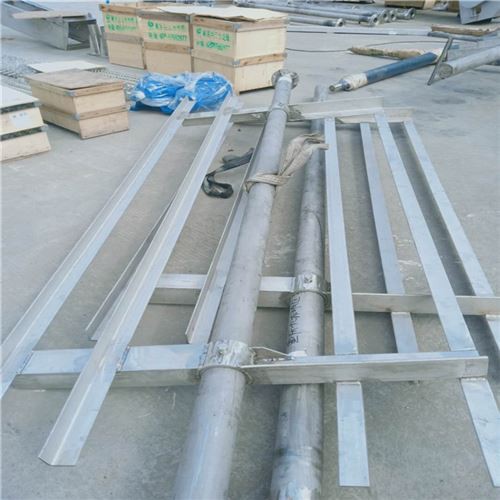
If you're looking for a more heavy-duty solution, our Frame Mixer is a great choice. It's designed for large industrial tanks and can handle high-viscosity liquids and demanding mixing requirements. This mixer is built to last and offers reliable performance even in the most challenging environments.
To get a better idea of the power consumption of a specific submersible tank mixer, it's important to refer to the manufacturer's specifications. These specifications will typically include information about the power rating of the mixer, as well as the recommended operating conditions and the expected power consumption under different scenarios. It's also a good idea to consult with an expert or a sales representative who can provide more detailed information and help you select the right mixer for your needs.
In addition to considering the factors mentioned above, there are some other ways to optimize the power consumption of a submersible tank mixer. One approach is to use a variable frequency drive (VFD). A VFD allows you to adjust the speed of the mixer motor based on the actual requirements of the process. By reducing the speed of the mixer when it's not necessary to run at full power, you can significantly reduce energy consumption. Another option is to use energy-efficient motors and components. Many modern submersible tank mixers are designed with energy-efficient features that can help to lower power consumption without sacrificing performance.
So, there you have it – a comprehensive look at what affects the power consumption of a submersible tank mixer. As a supplier, we understand the importance of providing our customers with energy-efficient solutions that meet their specific needs. Whether you're looking for a small, low-power mixer for a residential application or a large, high-power mixer for an industrial process, we have the expertise and the products to help you find the right solution.
If you're interested in learning more about our submersible tank mixers or if you have any questions about power consumption or other aspects of our products, please don't hesitate to reach out. We'd be happy to discuss your requirements and provide you with a customized solution. Contact us today to start the conversation and take the first step towards finding the perfect submersible tank mixer for your application.
References

- Perry, R. H., & Green, D. W. (Eds.). (1997). Perry's Chemical Engineers' Handbook (7th ed.). McGraw-Hill.
- Mixing Equipment Company. (n.d.). Mixer Selection Guide. Retrieved from [Company's official website]
- Tatterson, G. B. (1991). Fluid Mixing and Gas Dispersion in Agitated Tanks. McGraw-Hill.


