

A centrifugal aerator is a crucial piece of equipment in many water treatment and aquaculture setups. As a centrifugal aerator supplier, I often get asked about the lifespan of these machines. It's a valid question because understanding the lifespan helps in planning maintenance, budgeting for replacements, and getting the most out of your investment.
Factors Affecting the Lifespan
The lifespan of a centrifugal aerator isn't set in stone. It depends on several factors, and I'll break them down for you.
Quality of Manufacturing
This is a biggie. When you buy an aerator, you want to make sure it's built to last. Higher - quality materials and better manufacturing processes can significantly extend the lifespan. For example, if the impeller is made of a durable, corrosion - resistant material, it will withstand wear and tear better than a cheaper alternative. At our place, we use high - grade stainless steel and superior plastics in our centrifugal aerators, which we believe gives them a leg up in terms of longevity.
Operating Conditions
The environment in which the aerator operates plays a huge role. If it's used in a harsh industrial environment with lots of chemicals or debris in the water, it's going to face more challenges. For instance, in a wastewater treatment plant where the water is full of pollutants, the aerator's components are at a higher risk of corrosion. On the other hand, if it's used in a clean aquaculture pond, the wear and tear will be much less. Overloading the aerator by asking it to work beyond its capacity can also shorten its lifespan. You need to make sure you select the right size of aerator for your specific application.
Maintenance
Regular maintenance can work wonders for the lifespan of a centrifugal aerator. Simple tasks like cleaning the impeller, checking the seals, and lubricating the bearings as recommended can prevent minor issues from turning into major problems. If you neglect maintenance, small clogs or leaks can lead to more serious damage over time. For example, if the impeller gets clogged with debris, it can cause the motor to work harder, which in turn can lead to overheating and motor failure.
Typical Lifespan Range
Based on my experience as a supplier, a well - maintained centrifugal aerator can last anywhere from 5 to 15 years. You're probably thinking, "That's a pretty wide range!" And you're right. It all boils down to the factors I mentioned earlier.
If you take really good care of your aerator, use it in a relatively clean environment, and it's a high - quality product to begin with, you can expect it to be in service for 10 - 15 years. However, if the operating conditions are tough and maintenance is spotty, you might be looking at a lifespan of only 5 years or less.
Extending the Lifespan
As a supplier, I always want my customers to get the most out of their centrifugal aerators. Here are some tips I usually give to help extend the lifespan.
Follow the Manufacturer's Instructions
The manual that comes with the aerator is there for a reason. It has all the information you need about installation, operation, and maintenance. Make sure you read it carefully and follow the guidelines. For example, it will tell you the recommended frequency of oil changes for the motor or the proper way to clean the impeller.
Regular Inspections
Set up a schedule for regular inspections. Check for any signs of wear and tear, such as loose parts, leaks, or unusual noises. Catching these issues early can save you a lot of hassle and money in the long run. You can also keep a log of your inspections to track the performance of the aerator over time.
Upgrade When Necessary
As technology advances, there may be new features or improvements in aerator design. Consider upgrading your aerator if it becomes outdated or if you notice a significant drop in performance. Upgrading can not only improve the efficiency of your water treatment or aquaculture system but also extend the lifespan of the overall setup.

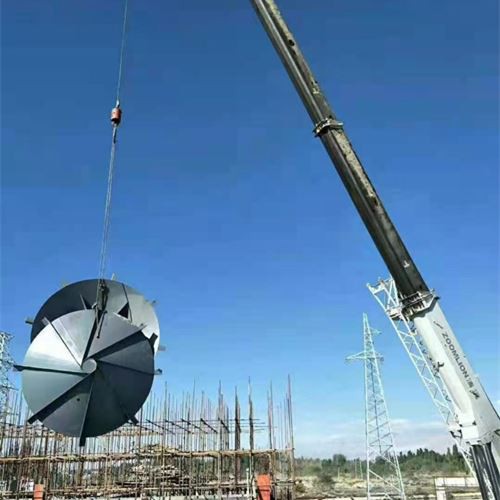
Comparing with Other Aerators
It's also interesting to compare the lifespan of centrifugal aerators with other types of aerators. For example, the Deep Water Pond Air Pump is another popular option. These pumps typically have a lifespan that can be similar to centrifugal aerators, but they may require different maintenance procedures. The Vertical Pump Aerators are known for their durability, but they might be more expensive upfront. And the Paddle Wheel Aerator Solar has the advantage of being powered by solar energy, which can reduce operating costs, but its components may be more exposed to the elements.
Conclusion
In conclusion, the lifespan of a centrifugal aerator is influenced by multiple factors, including manufacturing quality, operating conditions, and maintenance. With proper care, you can expect your aerator to serve you well for a significant period. If you're in the market for a new centrifugal aerator or need advice on maintaining your existing one, don't hesitate to reach out. We're here to help you make the best choice for your water treatment or aquaculture needs. Contact us to discuss your requirements and start the procurement process today.
References
- Industry reports on water treatment equipment durability.
- Manufacturer's specifications for centrifugal aerators.
- Case studies on long - term use of centrifugal aerators in different applications.


