

Hey there! As a supplier of submerged mixers, I often get asked about the insulation class of a submerged mixer's motor. It's a crucial aspect that can significantly impact the performance and lifespan of the mixer. So, let's dive right in and explore what this insulation class is all about.
What is Insulation Class?
First off, the insulation class of a motor refers to the maximum temperature that the motor's insulation system can handle over a long - term operation without significant degradation. It's like a heat tolerance level for the motor. Different insulation materials have different heat resistance capabilities, and these are classified into various insulation classes.
The most common insulation classes for motors are Class A, Class E, Class B, Class F, and Class H. Each class has a defined maximum temperature rise, which is the increase in temperature above the ambient temperature during operation.
Insulation Class and Submerged Mixers
For submerged mixers, choosing the right insulation class is super important. These mixers are often used in harsh environments, such as sewage treatment plants, industrial wastewater settings, and even in some food processing effluent applications. The conditions can be quite demanding, with high moisture levels, possible chemical exposure, and frequent start - stop cycles.
Let's take a look at how different insulation classes work for submerged mixers:
Class A
Class A insulation has a maximum temperature rise of about 60°C above an ambient temperature of 40°C. This means it can handle temperatures up to around 100°C. However, for submerged mixers, this class is usually not very common. The relatively low - temperature tolerance may not be sufficient considering the possible heat generation in continuous operation, especially when the mixer is in a confined space within a tank.
Class E
Class E insulation can handle a temperature rise of 75°C above the 40°C ambient temperature, resulting in a maximum temperature of around 115°C. It's a bit more heat - resistant than Class A, but still, it might not provide the level of durability needed for long - term use in submerged mixers.
Class B
Class B is a popular choice for many submerged mixers. It allows for a temperature rise of 80°C above the ambient temperature of 40°C, so it can withstand up to 120°C. This class offers a good balance between cost and performance. The insulation materials used in Class B motors can handle the typical heat generated during the normal operation of a submerged mixer in most common applications, like small - to - medium - sized sewage treatment plants.
Class F
With a maximum temperature rise of 105°C above 40°C ambient, Class F insulation can tolerate up to 145°C. This is a great option for more demanding applications. If your submerged mixer is going to be running continuously for long periods, or if it's in a high - load situation where more heat is generated, a Class F motor would be a smart choice. For example, in large industrial wastewater treatment facilities where the mixers may need to handle thick sludge and operate at high speeds, a Class F motor can provide better reliability.
Class H
Class H is the top - of - the - line insulation class for motors. It can handle a temperature rise of 125°C above the 40°C ambient, up to a whopping 165°C. This class is used in extremely harsh and high - heat environments. While it might be overkill for some standard sewage treatment applications, it could be a must - have for specialized industries where the mixers are exposed to very high - temperature fluids or operate under extremely strenuous conditions.
Why Is the Right Insulation Class Important?
You might be wondering, why does it matter so much? Well, if you choose an insulation class that can't handle the heat generated by the motor during operation, it can lead to a whole bunch of problems.
Firstly, the insulation material may start to break down prematurely. This can cause electrical shorts in the motor windings, which can lead to motor failure. A failed motor means your submerged mixer stops working, and that can disrupt your entire process, whether it's sewage treatment or industrial production.
Secondly, a motor with an inappropriate insulation class may not operate efficiently. Higher heat can increase the electrical resistance in the motor windings, which means more energy is wasted as heat instead of being used to drive the mixer. This not only increases your energy costs but also puts more stress on the motor itself.
Our Product Range and Insulation Class
At our company, we offer a wide range of submerged mixers, each with carefully selected insulation classes according to their intended applications.
We have the Hyperboloid Mixer, which is great for general - purpose mixing in large tanks. Most of our hyperboloid mixers come with Class B or Class F insulation, depending on the power and the expected operating conditions. This ensures that the mixers can work reliably for a long time.
The Submersible Flow Thruster is another popular product. These are often used to create a continuous flow in tanks. We usually provide them with Class F insulation for better heat resistance, especially when they are set to run continuously at high speeds.
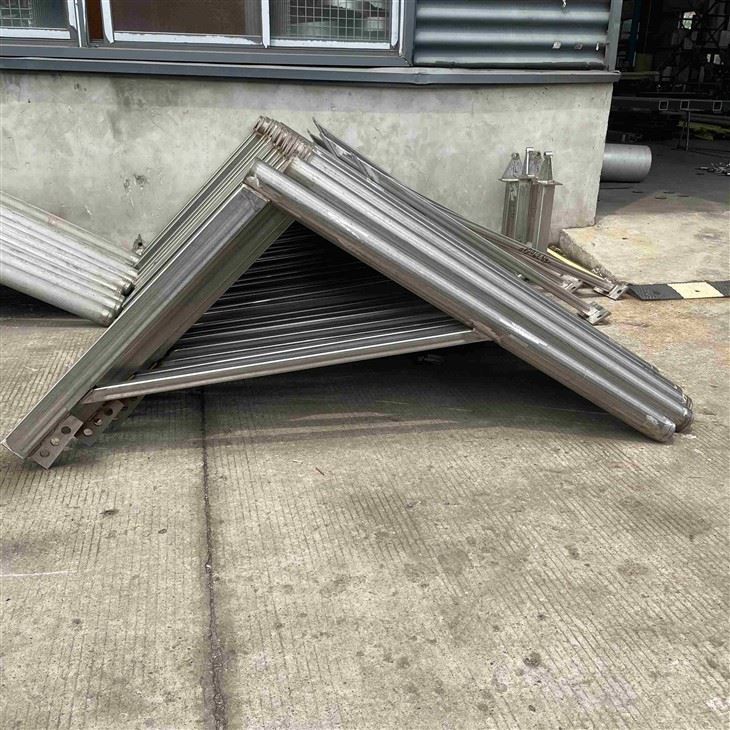

And then there's the Low Speed Flow Generator Qjb4. It's designed for low - speed, long - term operation. For this model, we typically use Class B insulation, which offers a good combination of performance and cost - effectiveness.
Wrapping Up and Reaching Out
In conclusion, understanding the insulation class of a submerged mixer's motor is essential for getting the most out of your equipment. Whether you're running a small - scale sewage treatment plant or a large industrial facility, choosing the right insulation class can save you from a lot of headaches down the road.
If you're in the market for a submerged mixer and want to learn more about which insulation class is best for your specific needs, don't hesitate to reach out. We're here to help you make the right choice and ensure that your mixing process runs smoothly.
References
- Motor Insulation Standards Handbook
- Submerged Mixer Technical Guidebooks


