

Hey there! I'm a supplier of Large Flow Aerators, and I've seen my fair share of these machines in action. Over the years, I've noticed some telltale signs that a large flow aerator might be on the fritz. In this blog post, I'll share those signs with you so you can catch any issues early and keep your aerator running smoothly.
Reduced Oxygenation
One of the most obvious signs that your large flow aerator is failing is a decrease in oxygenation. You see, the main job of an aerator is to add oxygen to the water. If it's not doing that effectively, it's a big problem. You might notice that the water in your pond or tank seems murkier than usual. That's because without enough oxygen, harmful bacteria and algae can thrive, making the water look cloudy.
Another way to tell is by checking the dissolved oxygen levels in the water. You can use a dissolved oxygen meter for this. If the levels are lower than they should be, it could mean that your aerator isn't working properly. For example, in a healthy pond, the dissolved oxygen levels should be around 5 - 8 mg/L. If you're seeing levels well below that, it's time to take a closer look at your aerator.
Unusual Noises
A well - functioning large flow aerator should operate relatively quietly. If you start hearing strange noises coming from your aerator, it's a red flag. Grinding, rattling, or screeching sounds can indicate that there are loose parts, worn - out bearings, or other mechanical issues.
Grinding noises might mean that there's debris stuck in the impeller or other moving parts. Rattling could be a sign that some bolts or screws have come loose. And screeching often points to problems with the motor or the belt drive. Don't ignore these noises! The longer you let the problem go, the more damage it can cause to your aerator.
Increased Energy Consumption
Is your electricity bill suddenly skyrocketing? It could be because your large flow aerator is using more energy than it should. A failing aerator might have to work harder to achieve the same level of oxygenation. This could be due to a variety of reasons, such as a clogged filter, a damaged impeller, or a malfunctioning motor.
When an aerator has to work overtime, it draws more power. So, if you notice a significant increase in your energy usage and your aerator is the only new variable, it's worth investigating. You can compare your current energy consumption with previous bills to see if there's a real spike.
Physical Damage
Take a good look at your aerator for any signs of physical damage. Cracks in the housing, bent impellers, or damaged pipes can all affect the performance of your aerator. Cracks in the housing can let water in where it shouldn't be, which can damage the internal components. A bent impeller won't spin efficiently, reducing the aerator's ability to move water and add oxygen.
If you see any signs of corrosion on the metal parts, that's also a problem. Corrosion can weaken the structure of the aerator and lead to more serious issues down the line. For example, if the corrosion affects the motor housing, it could cause electrical problems.
Poor Water Circulation
Proper water circulation is crucial for an aerator to work effectively. If you notice that the water in your pond or tank isn't moving as it should, it could be a sign of a failing aerator. You might see stagnant areas where the water isn't being circulated.
This can lead to uneven oxygen distribution, which is bad for the health of the water ecosystem. For instance, fish and other aquatic life need a well - circulated and oxygenated environment to survive. If there are areas with low oxygen due to poor water circulation, it can stress or even kill your fish.
Foaming or Bubbling Issues
A little bit of foaming or bubbling is normal when an aerator is working. But if you start seeing excessive foaming or if the bubbles seem abnormal, it could be a problem. Excessive foaming might be due to a chemical imbalance in the water, but it can also be a sign that the aerator is creating too much agitation.
If the bubbles are unusually large or small, it could indicate issues with the aerator's design or operation. For example, a malfunctioning diffuser might produce large, ineffective bubbles instead of the fine, oxygen - rich bubbles that are ideal for oxygenation.
Types of Aerators and Their Specific Issues
We offer a variety of large flow aerators, like the Solar De - Layer Aerator, Micro and Nano Bubble Generator, and Center Water Column Fountain Aerator. Each type can have its own unique problems.
The Solar De - Layer Aerator relies on solar power. If it's not working properly, it could be due to issues with the solar panels. Maybe they're dirty or damaged, which reduces the amount of power they can generate. The Micro and Nano Bubble Generator needs to produce tiny bubbles for efficient oxygenation. If the generator is clogged or has a problem with the membrane, it won't be able to produce the right size of bubbles.
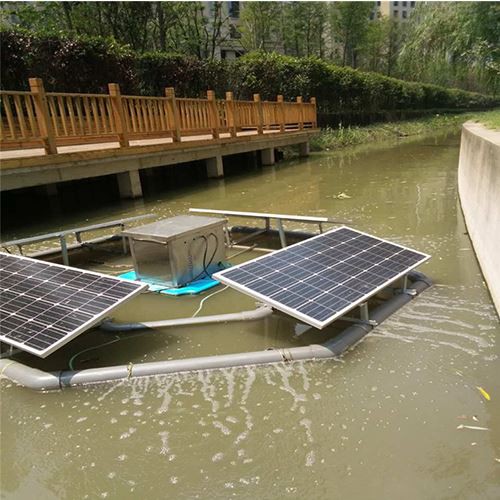

The Center Water Column Fountain Aerator is known for its aesthetic appeal as well as its oxygenation capabilities. If the water column isn't as high or as strong as it used to be, it could be because of a blockage in the nozzle or a problem with the pump.
What to Do If You Notice These Signs
If you notice any of these signs of a failing large flow aerator, don't panic. The first step is to do a visual inspection. Check for any obvious signs of damage, like loose parts or debris. You can also clean the aerator, especially the filter and the impeller, to see if that solves the problem.
If the issue persists after a basic inspection and cleaning, it's a good idea to contact a professional. As a large flow aerator supplier, we have a team of experts who can diagnose and fix the problem. We can also provide you with replacement parts if needed.
Conclusion
Keeping an eye out for the signs of a failing large flow aerator is crucial for maintaining a healthy water environment. Whether it's reduced oxygenation, unusual noises, or physical damage, early detection can save you a lot of time and money in the long run.
If you're experiencing any issues with your large flow aerator or if you're in the market for a new one, we're here to help. Contact us to discuss your needs and find the best solution for your water treatment requirements. Our team of experts can guide you through the process and ensure that you get the most out of your aerator.
References
- "Water Quality and Aeration in Aquaculture", Aquaculture Journal
- "Maintenance Guide for Industrial Aerators", Industrial Equipment Maintenance Magazine


