

As a turbine pump supplier, I've witnessed firsthand the diverse range of maintenance issues that can plague these essential pieces of equipment. Turbine pumps are widely used in various industries, including water treatment, oil and gas, and power generation, due to their high efficiency and ability to handle large volumes of fluid. However, like any mechanical device, they are not immune to problems. In this blog post, I'll discuss some of the most common maintenance problems of a turbine pump and provide insights on how to address them.
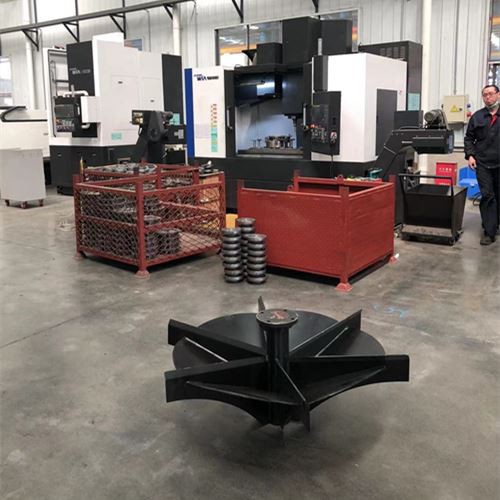

1. Impeller Wear and Damage
The impeller is a crucial component of a turbine pump, responsible for imparting energy to the fluid and generating flow. Over time, the impeller can experience wear and damage due to several factors, such as abrasive particles in the fluid, cavitation, and improper installation. Abrasive particles can cause erosion on the impeller blades, reducing their efficiency and leading to decreased pump performance. Cavitation, which occurs when the pressure in the pump drops below the vapor pressure of the fluid, can cause pitting and erosion on the impeller surface. Improper installation, such as misalignment or incorrect impeller clearance, can also lead to premature wear and damage.
To prevent impeller wear and damage, it's essential to ensure that the fluid being pumped is free of abrasive particles. This can be achieved through proper filtration and sedimentation processes. Additionally, monitoring the pump for signs of cavitation, such as unusual noise or vibration, and taking corrective action promptly can help prevent impeller damage. Regular inspection of the impeller for wear and damage and replacing it when necessary is also crucial to maintain pump performance.
2. Seal Leakage
Seals are used in turbine pumps to prevent fluid leakage from the pump casing. However, seal leakage is a common maintenance problem that can lead to fluid loss, environmental contamination, and reduced pump efficiency. Seal leakage can occur due to several factors, such as worn or damaged seals, improper installation, and high operating pressures.
To prevent seal leakage, it's important to choose the right type of seal for the application and ensure that it is installed correctly. Regular inspection of the seals for wear and damage and replacing them when necessary is also crucial. Additionally, monitoring the pump for signs of seal leakage, such as fluid dripping from the pump casing or increased fluid consumption, and taking corrective action promptly can help prevent further damage.
3. Bearing Failure
Bearings are used in turbine pumps to support the rotating shaft and reduce friction. However, bearing failure is a common maintenance problem that can lead to pump downtime and costly repairs. Bearing failure can occur due to several factors, such as worn or damaged bearings, improper lubrication, and high operating temperatures.
To prevent bearing failure, it's important to choose the right type of bearing for the application and ensure that it is lubricated correctly. Regular inspection of the bearings for wear and damage and replacing them when necessary is also crucial. Additionally, monitoring the pump for signs of bearing failure, such as unusual noise or vibration, and taking corrective action promptly can help prevent further damage.
4. Motor Problems
The motor is the power source for the turbine pump, and any problems with the motor can affect the pump's performance. Common motor problems include overheating, electrical faults, and mechanical failures. Overheating can occur due to several factors, such as high ambient temperatures, overloading, and poor ventilation. Electrical faults can include short circuits, open circuits, and insulation breakdown. Mechanical failures can include worn or damaged bearings, belts, and couplings.
To prevent motor problems, it's important to ensure that the motor is properly sized for the application and that it is installed in a well-ventilated area. Regular inspection of the motor for signs of overheating, electrical faults, and mechanical failures and taking corrective action promptly can help prevent further damage. Additionally, following the manufacturer's recommended maintenance schedule for the motor, such as lubrication and bearing replacement, is crucial to maintain motor performance.
5. Cavitation
Cavitation is a phenomenon that occurs when the pressure in the pump drops below the vapor pressure of the fluid, causing the formation of vapor bubbles. These bubbles collapse when they reach a region of higher pressure, creating shock waves that can cause damage to the pump components, such as the impeller, casing, and seals. Cavitation can also lead to reduced pump performance, increased noise and vibration, and premature wear and tear.
To prevent cavitation, it's important to ensure that the pump is operating within its recommended range of flow and pressure. This can be achieved through proper pump selection and system design. Additionally, monitoring the pump for signs of cavitation, such as unusual noise or vibration, and taking corrective action promptly can help prevent further damage. This may include adjusting the pump speed, increasing the suction pressure, or installing a cavitation suppression device.
6. Corrosion
Corrosion is a chemical reaction that occurs when the pump components come into contact with corrosive fluids or environments. Corrosion can cause damage to the pump components, such as the impeller, casing, and seals, leading to reduced pump performance, increased maintenance costs, and premature failure.
To prevent corrosion, it's important to choose the right materials for the pump components based on the type of fluid being pumped and the operating environment. Additionally, coating the pump components with a corrosion-resistant material can help protect them from corrosion. Regular inspection of the pump components for signs of corrosion and taking corrective action promptly can help prevent further damage.
7. Vibration
Vibration is a common maintenance problem in turbine pumps that can cause damage to the pump components, such as the bearings, seals, and impeller. Vibration can occur due to several factors, such as unbalanced impellers, misaligned shafts, and loose mounting bolts.
To prevent vibration, it's important to ensure that the pump is properly installed and aligned. This can be achieved through proper installation procedures and regular maintenance. Additionally, monitoring the pump for signs of vibration, such as unusual noise or excessive movement, and taking corrective action promptly can help prevent further damage. This may include balancing the impeller, realigning the shaft, or tightening the mounting bolts.
In conclusion, turbine pumps are essential pieces of equipment that require regular maintenance to ensure optimal performance and reliability. By being aware of the common maintenance problems of a turbine pump and taking proactive measures to prevent them, you can minimize downtime, reduce maintenance costs, and extend the life of your pump. If you have any questions or need further assistance with turbine pump maintenance, please don't hesitate to [contact us for procurement and negotiation]. We're here to help you keep your pumps running smoothly.
References
- [Name of the book on turbine pump maintenance], Author, Publisher, Year
- [Name of the technical article on turbine pump problems], Author, Journal, Year
- [Manufacturer's manual for the turbine pump], Manufacturer, Year


