

Hey there! As a supplier of submerged mixers, I know how important it is to store these machines properly when they're not in use. Not only does it help extend their lifespan, but it also ensures they're in top - notch condition when you need them again. So, let's dive into how to store a submerged mixer correctly.
Cleaning Before Storage
First things first, you gotta clean the submerged mixer thoroughly. When the mixer has been in use, it's likely covered in all sorts of gunk from the liquid it was mixing. This could be anything from dirt and debris to chemicals. If you don't clean it, these substances can cause corrosion over time.
Start by disconnecting the mixer from the power source. Safety first, folks! Then, use a soft brush and a mild detergent to scrub the exterior of the mixer. Pay special attention to the blades and the areas around the motor. You want to get rid of any build - up that could potentially damage the parts. Rinse it well with clean water to make sure all the detergent is gone.
Drying the Mixer
After cleaning, it's crucial to dry the mixer completely. Moisture is the enemy when it comes to storing equipment. If there's any water left on the mixer, it can lead to rust and other forms of damage. You can use a clean, dry cloth to wipe down the mixer, getting into all the nooks and crannies. For hard - to - reach areas, you might want to use compressed air to blow out any remaining water. Let the mixer air dry for a few hours in a well - ventilated area.
Disassembling (if necessary)
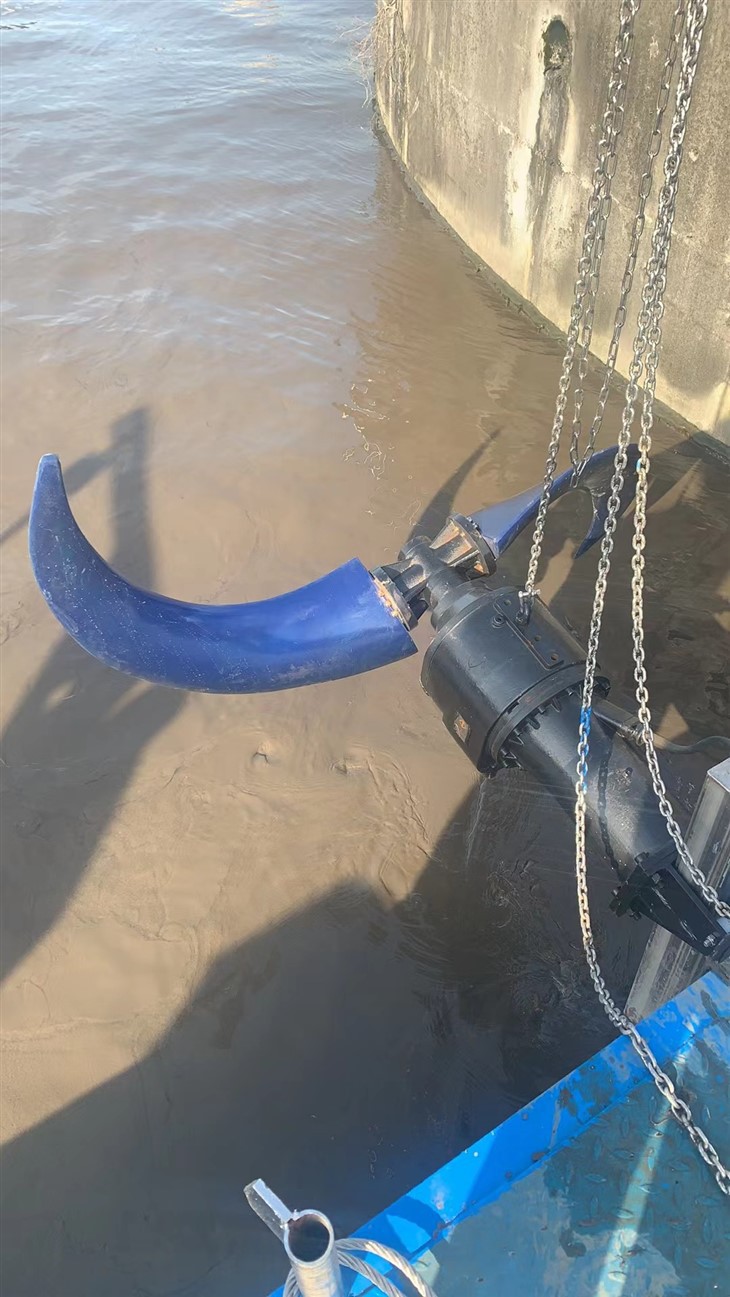
Depending on the type of submerged mixer, you might need to disassemble some parts for storage. For example, if you have a Drift Tube Submersible Mixer, you may be able to remove the drift tube for easier storage. This can also make it easier to clean and inspect the individual parts.
Before you start disassembling, make sure you have a clear plan and a place to keep all the parts organized. Use a container or a tray to hold the small parts like screws and bolts. Label everything if you need to, so you know where each part goes when it's time to reassemble.
Lubricating Moving Parts
Lubrication is key to keeping the moving parts of your submerged mixer in good working order. Apply a small amount of the appropriate lubricant to the bearings, shafts, and other moving components. This helps prevent friction and wear during storage. Just be careful not to over - lubricate, as too much lubricant can attract dirt and dust.
Choosing the Right Storage Location
The storage location plays a huge role in how well your submerged mixer fares during downtime. You want to find a place that's dry, cool, and protected from the elements. A storage shed or a garage can be a good option, as long as it's not prone to flooding or extreme temperature changes.
Avoid storing the mixer in direct sunlight, as this can cause the plastic and rubber parts to deteriorate. Also, keep it away from areas where it could be knocked over or damaged by other equipment. If possible, store the mixer on a shelf or a pallet to keep it off the ground and away from any potential moisture on the floor.
Protecting the Mixer
Once you've found the right storage location, it's time to protect the mixer. You can use a protective cover to shield it from dust, dirt, and accidental damage. There are many types of covers available, from simple plastic sheets to custom - made covers designed specifically for submerged mixers.
If you're using a plastic sheet, make sure it's secured tightly around the mixer. You can use bungee cords or straps to hold it in place. This will help keep out any dust or debris that could find its way into the mixer.
Regular Inspections
Even though the mixer is in storage, it's a good idea to check on it regularly. Every few months, take a look at the mixer to make sure there are no signs of damage or corrosion. Check the lubrication levels and make sure the cover is still in place. If you notice any issues, address them right away to prevent further damage.
Storing Different Types of Submerged Mixers
Different types of submerged mixers may have specific storage requirements. For instance, a Frame Mixer might need to have its frame properly supported during storage to prevent warping. And a Submersible Flow Thruster Qjb might require special attention to its flow - related components.
Always refer to the manufacturer's instructions for the specific model of your submerged mixer. These instructions will give you the most accurate and detailed information on how to store it properly.

Conclusion
Storing a submerged mixer properly when not in use is essential for its longevity and performance. By following these steps, you can ensure that your mixer is ready to go when you need it again. If you have any questions about storing your submerged mixer or if you're in the market for a new one, don't hesitate to reach out. We're here to help you make the most of your equipment. Whether you're a small - scale user or a large - scale industrial operation, we've got the right submerged mixer for you. So, if you're interested in purchasing a high - quality submerged mixer or need more advice on storage and maintenance, let's start a conversation. We're looking forward to working with you!
References
- Manufacturer's manuals for submerged mixers
- Industry best practices for equipment storage


