

Installing a Frame Mixer can seem like a daunting task, especially if you're new to the world of sewage treatment equipment. As a trusted Frame Mixer supplier, I'm here to guide you through the entire installation process, ensuring that you can get your mixer up and running smoothly.
Understanding the Frame Mixer
Before we dive into the installation process, it's essential to understand what a Frame Mixer is and how it works. A Frame Mixer is a type of submersible mixer commonly used in sewage treatment plants, industrial wastewater treatment facilities, and other applications where efficient mixing is required. It consists of a motor, a gearbox, an impeller, and a frame structure. The motor drives the impeller through the gearbox, creating a powerful mixing effect that helps to homogenize the liquid and prevent sedimentation.
Pre - installation Preparations
Site Inspection
The first step in installing a Frame Mixer is to conduct a thorough site inspection. You need to ensure that the installation site meets the following requirements:
- Sufficient Space: There should be enough space around the installation location to allow for easy access during installation, maintenance, and repair.
- Stable Foundation: The foundation where the mixer will be installed must be stable and level. It should be able to support the weight of the mixer and withstand the dynamic forces generated during operation.
- Proper Ventilation: Good ventilation is necessary to prevent the motor from overheating. Make sure there is adequate airflow around the motor area.
- Electrical Supply: Check the availability and compatibility of the electrical supply at the installation site. The voltage and frequency of the power source should match the requirements of the Frame Mixer.
Equipment and Tools Check
Before starting the installation, carefully check all the components of the Frame Mixer to ensure that they are in good condition and that nothing is missing. You will also need to gather the necessary tools for the installation, such as wrenches, screwdrivers, hoisting equipment, and measuring tools.
Installation Steps
Step 1: Mounting the Frame
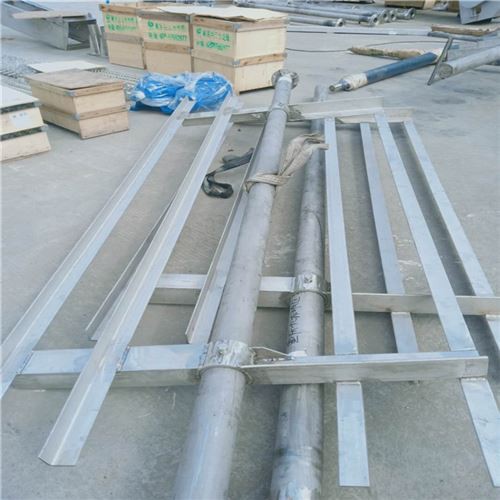
The frame of the Frame Mixer provides the support structure for the entire unit. First, position the frame at the designated installation location on the stable foundation. Use a level to ensure that the frame is perfectly horizontal. Then, secure the frame to the foundation using bolts or other appropriate fasteners. Make sure the bolts are tightened to the specified torque to prevent any loosening during operation.

Step 2: Installing the Motor and Gearbox
Once the frame is securely mounted, it's time to install the motor and gearbox assembly. Lift the motor and gearbox unit using a hoisting device and carefully place it on the frame. Align the mounting holes on the motor and gearbox with those on the frame. Insert the bolts and tighten them gradually, alternating between different bolts to ensure even tightening.
Step 3: Attaching the Impeller
The impeller is a crucial component of the Frame Mixer as it is responsible for creating the mixing effect. Carefully attach the impeller to the shaft of the gearbox. Make sure the impeller is properly aligned and tightened. You may need to use a special tool to secure the impeller in place according to the manufacturer's instructions.
Step 4: Electrical Connection
After the mechanical installation is complete, it's time to make the electrical connections. Connect the power cable of the Frame Mixer to the electrical supply. Ensure that all the electrical connections are properly insulated and tightened to prevent any electrical hazards. It is recommended to have a qualified electrician perform the electrical installation to ensure compliance with safety standards.
Step 5: Testing and Commissioning
Once the installation and electrical connections are done, it's time to test the Frame Mixer. Fill the tank or basin with water to the appropriate level. Turn on the power and start the mixer. Observe the operation of the mixer carefully. Check for any abnormal noises, vibrations, or leaks. Measure the mixing performance to ensure that it meets the design requirements. If any issues are detected, stop the mixer immediately and troubleshoot the problem.
Maintenance and Troubleshooting
Regular maintenance is essential to ensure the long - term reliable operation of the Frame Mixer. Here are some maintenance tips:
- Lubrication: Check the lubricant level in the gearbox regularly and replenish it as needed. Use the lubricant recommended by the manufacturer.
- Impeller Inspection: Inspect the impeller for any signs of wear or damage. Replace the impeller if necessary.
- Electrical System Check: Periodically check the electrical connections, insulation, and protection devices to ensure their proper functioning.
In case of any problems with the Frame Mixer, here are some common troubleshooting steps:
- No Power: Check the power supply, fuses, and circuit breakers. Make sure the power switch is turned on.
- Abnormal Noise or Vibration: Check for loose bolts, misaligned components, or damaged impellers. Tighten the bolts or replace the damaged parts as needed.
- Poor Mixing Performance: Check the impeller speed, the liquid level in the tank, and the viscosity of the liquid. Adjust the operating parameters or clean the impeller if necessary.
Comparison with Other Mixers
It's worth comparing the Frame Mixer with other types of mixers, such as the Hyperboloid Mixer and Sludge Return Pump. The Hyperboloid Mixer is known for its unique shape and efficient mixing performance in large - scale applications. It can create a wide - range mixing flow pattern. On the other hand, the Sludge Return Pump is mainly used for sludge return in sewage treatment processes.
The Frame Mixer, in contrast, offers a more compact design and is suitable for medium - sized tanks and basins. It provides a good balance between mixing efficiency and cost - effectiveness. Depending on your specific application requirements, you can choose the most appropriate mixer.
Contact for Purchase and Consultation
If you're interested in purchasing a Frame Mixer or need more information about the installation, operation, and maintenance of our products, we're here to help. Our team of experts can provide you with detailed technical support and guidance. Whether you're a sewage treatment plant operator, an industrial wastewater treatment engineer, or someone involved in related projects, we can offer customized solutions to meet your specific needs. Feel free to reach out to us to start a productive discussion about your procurement requirements.
References
- Manufacturer's Installation and Operation Manual for Frame Mixer
- Industry Standards for Sewage Treatment Equipment Installation
- Technical Papers on Submersible Mixer Design and Performance


