

In the realm of sewage treatment, sludge return pumps play a pivotal role. As a seasoned supplier of sludge return pumps, I understand the importance of efficient operation and control. Remote control of these pumps can significantly enhance the overall performance of sewage treatment systems, reducing manual labor, improving response times, and optimizing energy consumption. In this blog post, I will share some insights on how to implement remote control for a sludge return pump.
Understanding the Basics of Sludge Return Pumps
Before delving into remote control implementation, it's essential to have a clear understanding of sludge return pumps. These pumps are designed to transfer sludge from the secondary clarifier back to the aeration tank in a sewage treatment plant. This process helps maintain the desired concentration of activated sludge in the aeration tank, which is crucial for effective biological treatment.
Sludge return pumps come in various types, including centrifugal pumps, progressive cavity pumps, and submersible pumps. Each type has its own advantages and disadvantages, and the choice depends on factors such as the flow rate, head, and the characteristics of the sludge.
The Need for Remote Control
Remote control of sludge return pumps offers several benefits. Firstly, it allows operators to monitor and adjust the pump's operation from a central control room, eliminating the need for on - site manual intervention. This is particularly useful in large - scale sewage treatment plants where pumps are located in multiple locations.
Secondly, remote control enables real - time response to changes in the sewage treatment process. For example, if the sludge level in the secondary clarifier rises unexpectedly, the pump can be immediately started or its flow rate increased remotely.
Thirdly, remote control can help optimize energy consumption. By adjusting the pump speed based on the actual demand, energy waste can be minimized, leading to cost savings in the long run.
Components of a Remote Control System
To implement remote control for a sludge return pump, the following components are typically required:
1. Sensors
Sensors are used to monitor various parameters of the pump and the sewage treatment process. For a sludge return pump, sensors may include flow sensors, pressure sensors, level sensors, and temperature sensors. Flow sensors measure the volume of sludge being pumped, pressure sensors detect the pressure in the pump and the pipeline, level sensors monitor the sludge level in the secondary clarifier and the aeration tank, and temperature sensors can detect overheating of the pump motor.
2. Programmable Logic Controller (PLC)
A PLC is the brain of the remote control system. It receives signals from the sensors, processes the data, and makes decisions based on pre - programmed logic. For example, if the level sensor in the secondary clarifier indicates a high sludge level, the PLC can send a signal to start the sludge return pump or increase its speed.
3. Communication Module
The communication module is responsible for transmitting data between the PLC and the central control room. There are several communication methods available, including wired communication (such as Ethernet) and wireless communication (such as Wi - Fi, GSM, or satellite communication). The choice of communication method depends on factors such as the distance between the pump and the control room, the reliability requirements, and the cost.

4. Central Control Software
The central control software is installed in the control room. It provides a user - friendly interface for operators to monitor and control the sludge return pump. Operators can view real - time data from the sensors, set parameters for the pump operation, and receive alarms in case of abnormal conditions.
Step - by - Step Implementation
Step 1: System Design
The first step is to design the remote control system based on the specific requirements of the sewage treatment plant. This includes determining the number and type of sensors needed, selecting the appropriate PLC and communication module, and designing the central control software.
Step 2: Installation of Components
Once the system design is complete, the sensors, PLC, communication module, and other components are installed at the pump site. The sensors are carefully placed in the appropriate locations to ensure accurate measurement of the relevant parameters. The PLC is connected to the sensors and the pump's control circuit, and the communication module is configured for data transmission.
Step 3: Configuration and Programming
The PLC is then configured and programmed according to the desired control logic. For example, the PLC can be programmed to start the pump when the sludge level in the secondary clarifier reaches a certain threshold and stop it when the level drops below another threshold. The central control software is also configured to display the sensor data and allow operators to control the pump remotely.
Step 4: Testing and Commissioning
After the installation and programming are completed, the remote control system is thoroughly tested. This includes testing the sensor readings, the communication between the PLC and the central control room, and the control functions of the pump. Any issues or errors are identified and corrected during this stage. Once the system passes all the tests, it is commissioned for normal operation.
Integration with Other Equipment
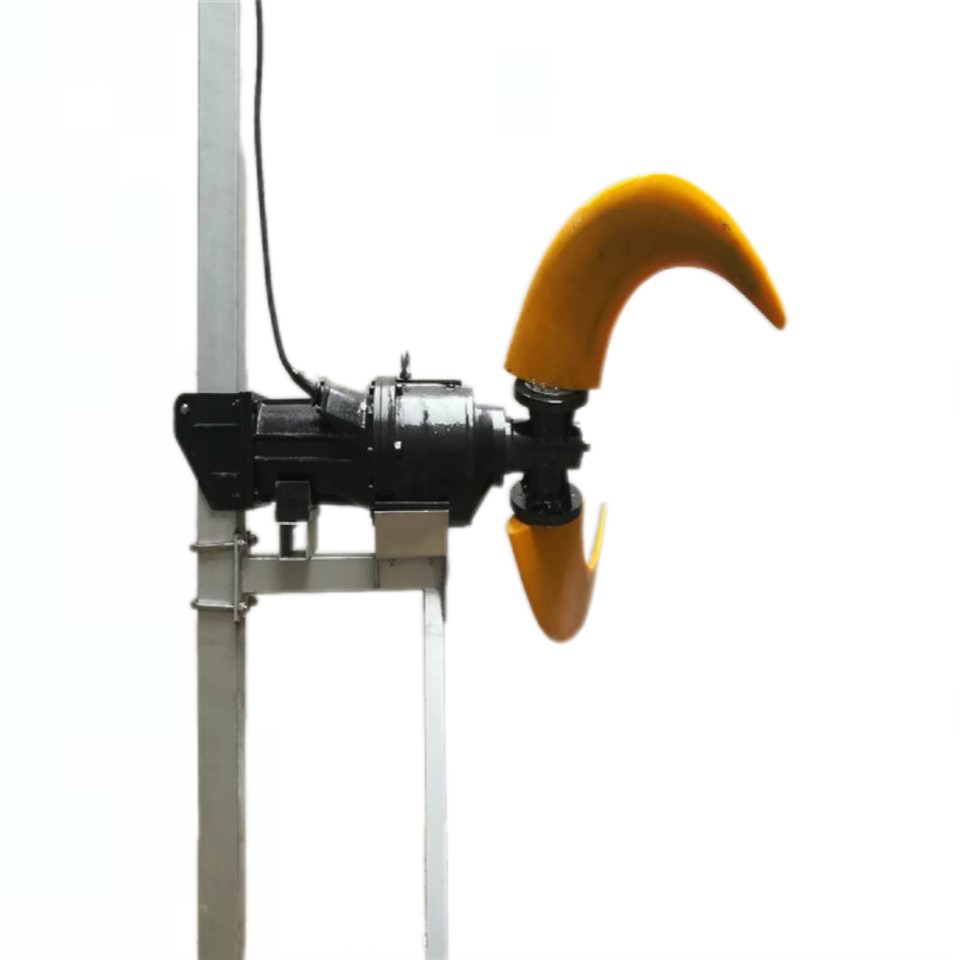
In a sewage treatment plant, the sludge return pump is often part of a larger system that includes other equipment such as Submersible Flow Thruster Qjb, Drift Tank Submersible Mixer, and Hyperboloid Mixer. The remote control system of the sludge return pump can be integrated with the control systems of these other equipment to achieve a more coordinated and efficient operation.
For example, the operation of the sludge return pump can be synchronized with the operation of the mixers to ensure proper mixing of the sludge and the sewage. If the mixers are not working effectively, the sludge return rate can be adjusted accordingly to maintain the treatment efficiency.
Maintenance and Troubleshooting
Regular maintenance is essential to ensure the reliable operation of the remote control system. This includes checking the sensors for accuracy, inspecting the PLC and communication module for any signs of damage or malfunction, and updating the central control software as needed.
In case of any problems, troubleshooting procedures should be in place. For example, if the pump fails to start or stop as commanded, the first step is to check the sensor readings and the communication between the PLC and the central control room. If the problem persists, further investigation may be required, such as checking the pump's motor and control circuit.
Conclusion
Implementing remote control for a sludge return pump is a complex but rewarding process. It can significantly improve the efficiency and reliability of sewage treatment plants. As a supplier of sludge return pumps, I am committed to providing high - quality products and comprehensive solutions for remote control implementation. If you are interested in purchasing our sludge return pumps or learning more about remote control technology, please feel free to contact us for procurement and further discussions.
References
- Metcalf & Eddy. Wastewater Engineering: Treatment and Reuse. McGraw - Hill, 2014.
- Tchobanoglous, G., Burton, F. L., & Stensel, H. D. Wastewater Engineering: Treatment, Disposal, and Reuse. Pearson, 2003.
- WEF Manual of Practice No. 8: Design of Municipal Wastewater Treatment Plants. Water Environment Federation, 2010.


