

As a supplier of Push Flow Aerators, I've witnessed firsthand the challenges that corrosion can pose to these vital pieces of water treatment equipment. Corrosion not only shortens the lifespan of the aerator but also compromises its performance, leading to inefficiencies in water treatment processes. In this blog post, I'll share some effective strategies on how to deal with the corrosion problem of a Push Flow Aerator.
Understanding the Causes of Corrosion in Push Flow Aerators
Before we delve into the solutions, it's crucial to understand the root causes of corrosion in Push Flow Aerators. These aerators are typically exposed to harsh environments, including water with varying pH levels, high salinity, and the presence of corrosive chemicals. The continuous flow of water and the movement of the aerator's components also contribute to wear and tear, which can accelerate the corrosion process.
One of the primary factors contributing to corrosion is the electrochemical reaction between the metal components of the aerator and the surrounding water. When two different metals come into contact in the presence of an electrolyte (such as water), a galvanic cell is formed, leading to the flow of electric current and the corrosion of the more reactive metal. Additionally, the presence of dissolved oxygen in the water can also cause oxidation of the metal surfaces, further exacerbating the corrosion problem.
Preventive Measures to Minimize Corrosion
Material Selection
The choice of materials plays a crucial role in preventing corrosion in Push Flow Aerators. When selecting materials for the aerator's construction, it's important to choose metals that are resistant to corrosion, such as stainless steel or aluminum. Stainless steel is particularly popular due to its high resistance to rust and corrosion, making it suitable for use in harsh water environments. Additionally, coatings and linings can be applied to the metal surfaces to provide an extra layer of protection against corrosion.
Proper Installation
Proper installation of the Push Flow Aerator is essential to prevent corrosion. The aerator should be installed in a location where it is not exposed to direct sunlight, extreme temperatures, or excessive moisture. It's also important to ensure that the aerator is properly grounded to prevent the buildup of static electricity, which can contribute to corrosion. Additionally, the aerator should be installed at the correct depth in the water to ensure optimal performance and minimize the risk of corrosion.
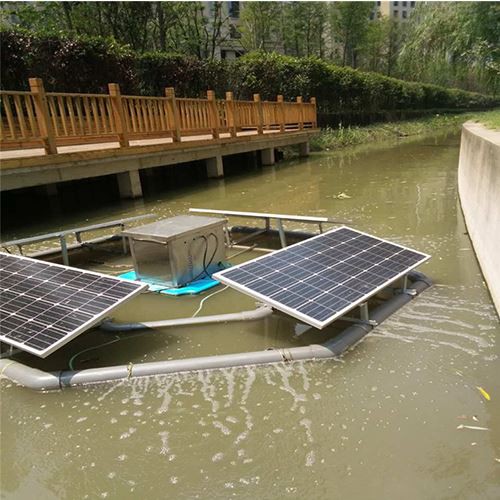

Regular Maintenance
Regular maintenance is key to preventing corrosion in Push Flow Aerators. This includes inspecting the aerator regularly for signs of corrosion, such as rust or discoloration, and taking appropriate action to address any issues promptly. The aerator should also be cleaned regularly to remove any dirt, debris, or sediment that may accumulate on its surfaces, as these can contribute to corrosion. Additionally, the lubrication of moving parts should be checked and replenished as needed to ensure smooth operation and prevent wear and tear.
Treatment Options for Corroded Push Flow Aerators
Surface Treatment
If corrosion has already occurred on the surface of the Push Flow Aerator, surface treatment can be used to remove the corrosion and restore the integrity of the metal. This can include sandblasting, grinding, or chemical cleaning to remove the rust and corrosion products from the surface of the metal. Once the surface has been cleaned, a protective coating or paint can be applied to prevent further corrosion.
Component Replacement
In some cases, the corrosion may be severe enough to require the replacement of certain components of the Push Flow Aerator. This can include replacing corroded impellers, shafts, or bearings to ensure the continued operation of the aerator. When replacing components, it's important to choose high-quality replacement parts that are compatible with the aerator's specifications and are resistant to corrosion.
Corrosion Inhibitors
Corrosion inhibitors can be used to prevent or slow down the corrosion process in Push Flow Aerators. These inhibitors work by forming a protective film on the surface of the metal, preventing the electrochemical reaction that causes corrosion. Corrosion inhibitors can be added to the water in which the aerator is operating or applied directly to the metal surfaces of the aerator.
Conclusion
Corrosion is a common problem that can affect the performance and lifespan of Push Flow Aerators. However, by understanding the causes of corrosion and implementing preventive measures, such as proper material selection, installation, and maintenance, the risk of corrosion can be minimized. In the event that corrosion does occur, there are treatment options available, such as surface treatment, component replacement, and the use of corrosion inhibitors, to restore the aerator's functionality.
As a supplier of Push Flow Aerators and Solar Push Flow Aerators, we are committed to providing high-quality products that are resistant to corrosion and offer reliable performance. If you have any questions or concerns about dealing with the corrosion problem of a Push Flow Aerator, or if you are interested in purchasing our products, please feel free to contact us for more information. We look forward to working with you to find the best solutions for your water treatment needs.
References
- Jones, D. A. (1992). Principles and Prevention of Corrosion. Prentice Hall.
- Uhlig, H. H., & Revie, R. W. (1985). Corrosion and Corrosion Control: An Introduction to Corrosion Science and Engineering. Wiley-Interscience.
- Fontana, M. G. (1986). Corrosion Engineering. McGraw-Hill.


