

Hey there! As a supplier of Solar Fountain Aerators, I'm super stoked to walk you through how these nifty gadgets work. Solar fountain aerators are pretty cool devices that serve a couple of important functions, mainly adding oxygen to water and creating a visually appealing fountain effect. So, let's dive right in and see what makes them tick.
The Basics of Solar Power
First things first, let's talk about solar power. Solar fountain aerators rely on solar panels to convert sunlight into electricity. You know how the sun is like this giant ball of energy? Well, solar panels are like little energy collectors. They're made up of photovoltaic cells, which are basically the magic parts that turn sunlight into usable electricity.
When sunlight hits these photovoltaic cells, it causes electrons to start moving around. This movement creates an electric current, which is then sent to a controller. The controller is like the brain of the operation. It regulates the amount of electricity that goes to the pump in the aerator, making sure everything runs smoothly.
The Pumping Mechanism
Once the electricity reaches the pump, things start to get interesting. The pump is the heart of the solar fountain aerator. It's responsible for drawing water from the pond or water source and pushing it up through the fountain nozzle.
There are different types of pumps used in solar fountain aerators, but most of them are submersible pumps. This means they're designed to be placed underwater. Submersible pumps are great because they're more efficient and less likely to get damaged.
When the pump starts working, it creates a pressure difference. This pressure difference causes water to be sucked into the pump through an intake valve. From there, the water is forced out through the outlet and up into the fountain nozzle.
Creating the Fountain and Aeration
Now, let's talk about the fountain part. The water that's pushed up through the nozzle creates a beautiful fountain display. But it's not just for show. The fountain also plays a crucial role in aerating the water.
As the water shoots up into the air and then falls back into the pond, it breaks the surface tension of the water. This allows oxygen from the air to dissolve into the water. The more the water is disturbed, the more oxygen it can absorb. This is important because fish and other aquatic life need oxygen to survive.
In addition to the fountain effect, some solar fountain aerators also have diffusers or air stones. These are small devices that release tiny bubbles into the water. The bubbles rise to the surface, creating even more surface area for oxygen to dissolve into the water.
Types of Solar Fountain Aerators
There are a few different types of solar fountain aerators available on the market. One popular type is the Center Water Column Fountain Aerator. This type of aerator creates a single, tall column of water in the center of the pond. It's great for adding a focal point to your pond and providing aeration over a large area.
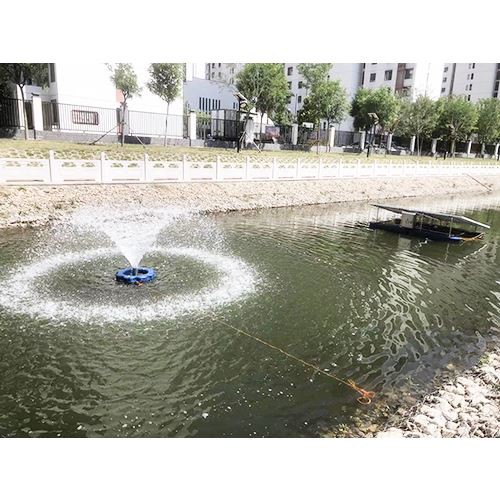

Another type is the Push Flow Aerator. This aerator is designed to create a horizontal flow of water in the pond. It's ideal for larger ponds or lakes where you need to circulate the water and prevent stagnation.
Of course, there's also the classic Solar Fountain Aerator, which combines the fountain effect with aeration. This type of aerator is perfect for smaller ponds or water features where you want to add a bit of beauty and functionality.
Benefits of Using a Solar Fountain Aerator
There are several benefits to using a solar fountain aerator. First of all, they're environmentally friendly. Since they run on solar power, they don't produce any greenhouse gas emissions or require any fossil fuels. This makes them a great choice for those who are looking to reduce their carbon footprint.
Secondly, solar fountain aerators are cost-effective. Once you've purchased the aerator, there are no ongoing electricity costs. You just need to make sure the solar panels are getting enough sunlight, and you're good to go.
In addition to being eco-friendly and cost-effective, solar fountain aerators also help to improve the health of your pond or water feature. By adding oxygen to the water, they create a more hospitable environment for fish and other aquatic life. They also help to prevent the growth of algae and other harmful bacteria, which can make your water look and smell bad.
Maintenance and Installation
Installing a solar fountain aerator is usually pretty straightforward. Most aerators come with detailed instructions, and you don't need any special tools or skills to get the job done. All you need to do is place the pump in the water, connect the solar panels, and you're ready to go.
As for maintenance, solar fountain aerators are relatively low-maintenance. You'll need to clean the pump and the solar panels regularly to make sure they're working efficiently. You should also check the water level in your pond or water feature to make sure the pump isn't running dry.
Conclusion
So, there you have it! That's how a solar fountain aerator works. These amazing devices are a great way to add beauty and functionality to your pond or water feature while also helping the environment. Whether you're a fish enthusiast or just looking to spruce up your backyard, a solar fountain aerator is definitely worth considering.
If you're interested in purchasing a solar fountain aerator or have any questions, don't hesitate to reach out. We're here to help you find the perfect aerator for your needs. Let's work together to create a healthier and more beautiful water environment!
References
- Various industry publications on solar energy and water aeration technology.
- Manufacturer's manuals and specifications for solar fountain aerators.


