

As a supplier of QJB Submersible Mixers, I often receive inquiries about the suitability of our products for drinking water treatment. This is a crucial question, as the safety and quality of drinking water are of utmost importance. In this blog post, I will explore whether the QJB Submersible Mixer can be used in drinking water treatment, considering its design, functionality, and compliance with relevant standards.
Understanding the QJB Submersible Mixer
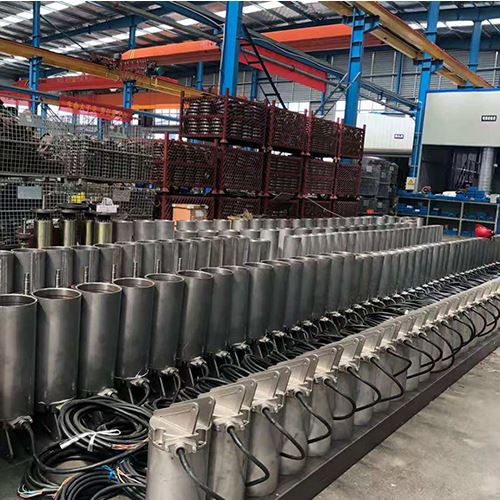
The QJB Submersible Mixer is a powerful and versatile piece of equipment designed for various mixing applications in wastewater treatment, industrial processes, and other sectors. Its main function is to create a uniform flow and distribution of substances in a liquid medium, ensuring efficient mixing and preventing sedimentation. The mixer consists of a motor, an impeller, and a housing, all of which are designed to operate underwater.
The QJB Submersible Mixer is available in different models and sizes, each with specific features and capabilities to meet the needs of different applications. Some models are designed for high-speed mixing, while others are optimized for low-speed, high-volume agitation. The choice of the appropriate model depends on factors such as the volume of the tank, the type of liquid being mixed, and the desired mixing intensity.
Key Features of the QJB Submersible Mixer
- Robust Design: The QJB Submersible Mixer is built to withstand harsh operating conditions. It features a durable housing made of high-quality materials, such as stainless steel or cast iron, which provides excellent corrosion resistance and long-term reliability.
- Efficient Impeller Design: The impeller is the heart of the mixer, and the QJB Submersible Mixer is equipped with a specially designed impeller that ensures efficient mixing. The impeller's shape and pitch are optimized to create a strong flow pattern, maximizing the mixing effect with minimal energy consumption.
- Easy Installation and Maintenance: The mixer is designed for easy installation and maintenance. It can be easily mounted on the tank wall or floor using a variety of mounting options. Additionally, the modular design of the mixer allows for quick and easy replacement of parts, reducing downtime and maintenance costs.
Suitability for Drinking Water Treatment
When considering the use of the QJB Submersible Mixer in drinking water treatment, several factors need to be taken into account, including material compatibility, hygiene requirements, and compliance with relevant standards.
Material Compatibility
The materials used in the construction of the QJB Submersible Mixer must be compatible with drinking water. The mixer's housing, impeller, and other components should be made of materials that do not leach harmful substances into the water. Stainless steel is a commonly used material in drinking water applications due to its excellent corrosion resistance and non-toxic properties. Our QJB Submersible Mixer models are available with stainless steel components, ensuring that they are suitable for use in drinking water treatment.
Hygiene Requirements
Drinking water treatment requires strict hygiene standards to ensure the safety of the water supply. The QJB Submersible Mixer is designed to meet these requirements. Its smooth surfaces and streamlined design prevent the accumulation of dirt and debris, making it easy to clean and maintain. Additionally, the mixer can be equipped with optional features such as self-cleaning mechanisms or antimicrobial coatings to further enhance its hygiene performance.
Compliance with Standards
The use of equipment in drinking water treatment is regulated by various national and international standards. The QJB Submersible Mixer complies with relevant standards and regulations, such as NSF/ANSI 61, which sets the requirements for materials and products used in contact with drinking water. Compliance with these standards ensures that the mixer is safe and suitable for use in drinking water treatment applications.
Applications in Drinking Water Treatment
The QJB Submersible Mixer can be used in various stages of the drinking water treatment process, including:

Coagulation and Flocculation
In the coagulation and flocculation stage, chemicals are added to the water to remove suspended particles and impurities. The QJB Submersible Mixer can be used to ensure uniform mixing of the chemicals with the water, enhancing the coagulation and flocculation process. By creating a strong and uniform flow, the mixer helps to bring the particles into contact with the chemicals, promoting the formation of larger flocs that can be easily removed by sedimentation or filtration.
Disinfection
Disinfection is an essential step in drinking water treatment to kill harmful microorganisms. The QJB Submersible Mixer can be used to mix disinfectants, such as chlorine or ozone, evenly throughout the water. This ensures that the disinfectant is distributed effectively, providing maximum disinfection efficiency and protecting the water supply from pathogens.
Storage and Distribution
In the storage and distribution stage, the QJB Submersible Mixer can be used to prevent the formation of dead zones and stagnant areas in water storage tanks. By creating a continuous flow and circulation, the mixer helps to maintain the water quality and prevent the growth of bacteria and other microorganisms. This is particularly important in large storage tanks where stagnant water can lead to the deterioration of water quality.
Advantages of Using the QJB Submersible Mixer in Drinking Water Treatment
- Improved Water Quality: The efficient mixing provided by the QJB Submersible Mixer helps to ensure uniform distribution of chemicals and disinfectants, leading to improved water quality and better treatment results.
- Energy Efficiency: The mixer's optimized impeller design and efficient motor ensure minimal energy consumption, reducing operating costs and environmental impact.
- Reliability and Durability: The robust design of the QJB Submersible Mixer ensures long-term reliability and durability, minimizing downtime and maintenance requirements.
- Versatility: The mixer is available in different models and sizes, making it suitable for a wide range of drinking water treatment applications.
Other Related Products
In addition to the QJB Submersible Mixer, we also offer other related products that can be used in drinking water treatment, such as the Submersible Flow Thruster and the Low Speed Flow Generator Qjb4. These products can be used in combination with the QJB Submersible Mixer to enhance the overall performance of the drinking water treatment system.
The Submersible Flow Thruster is designed to create a high-velocity flow in the water, which can be used to improve the mixing efficiency and prevent sedimentation. The Low Speed Flow Generator Qjb4, on the other hand, is suitable for applications where a low-speed, high-volume flow is required, such as in large storage tanks.
Conclusion
In conclusion, the QJB Submersible Mixer can be used in drinking water treatment, provided that it meets the necessary material compatibility, hygiene, and regulatory requirements. Our QJB Submersible Mixer models are designed with these factors in mind, making them a reliable and efficient solution for drinking water treatment applications.
If you are interested in learning more about our QJB Submersible Mixer or other products for drinking water treatment, please feel free to contact us. Our team of experts is ready to assist you in selecting the right equipment for your specific needs and to provide you with detailed information and support.
References
- NSF/ANSI 61: Drinking Water System Components - Health Effects.
- Various technical documents and product manuals related to the QJB Submersible Mixer.


