

Hey there! As a supplier of submersible mixers, I often get asked if these nifty gadgets can handle mixing viscous liquids. It's a great question, and one that I'm more than happy to dig into.
First off, let's talk about what a submersible mixer is. Essentially, it's a piece of equipment that's designed to be submerged in a liquid to create a mixing action. These mixers come in different shapes and sizes, and they're used in a wide range of applications, from wastewater treatment to chemical processing.
Now, when it comes to viscous liquids, things get a bit more complicated. Viscosity is a measure of a fluid's resistance to flow. Think of honey compared to water. Honey is much more viscous; it flows more slowly because its molecules are more resistant to moving past one another. So, can a submersible mixer handle this kind of thick stuff?
The short answer is: it depends. There are several factors that come into play when determining whether a submersible mixer can effectively mix viscous liquids.
Power and Torque
One of the most crucial factors is the power and torque of the mixer. Viscous liquids require more force to move and mix compared to less viscous ones. A submersible mixer needs to have enough power to overcome the resistance of the thick liquid. If the mixer doesn't have sufficient power, it might struggle to create a proper mixing pattern, and you'll end up with unevenly mixed liquid.
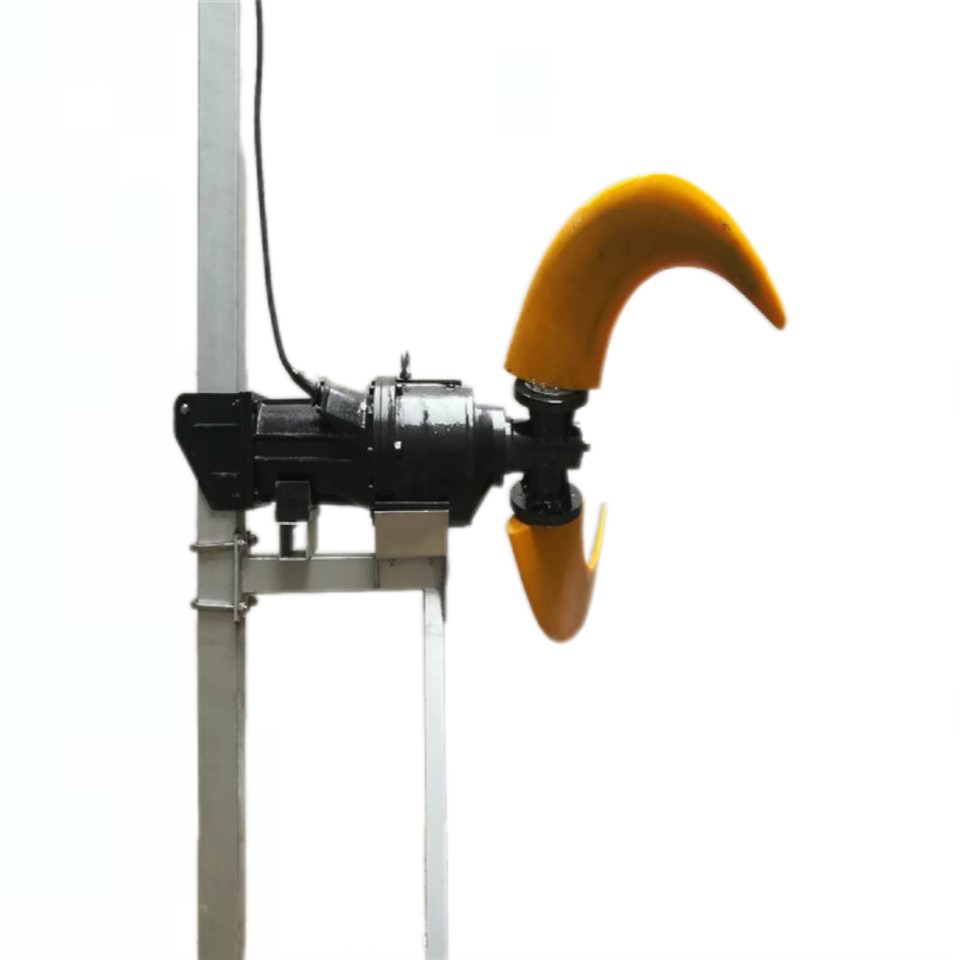
For example, our Submersible Flow Thruster Qjb is designed with high - power motors that can generate the necessary torque to tackle moderately viscous liquids. The powerful motor spins the impeller at a high speed, creating a strong flow that helps to break up the thick consistency of the liquid.
Impeller Design
The design of the impeller also plays a huge role. Different impeller designs are better suited for different types of liquids. For viscous liquids, an impeller with a large diameter and wide blades is often more effective. This type of impeller can displace more liquid with each rotation and create a stronger mixing action.
Our Paddle Mixer has a unique paddle - style impeller. The large paddles are great for pushing through viscous liquids and creating a gentle yet effective mixing motion. The shape of the paddles allows them to cut through the thick liquid and distribute it evenly throughout the tank.
Mixing Time
Mixing viscous liquids usually takes longer than mixing less viscous ones. The mixer needs more time to break down the thick consistency and ensure that all parts of the liquid are thoroughly mixed. You can't expect the same quick results as you would with water or a thin chemical solution.
It's important to set realistic expectations for the mixing time. Sometimes, you might need to run the submersible mixer for several hours or even days, depending on the viscosity of the liquid and the size of the tank.
Tank Geometry
The shape and size of the tank also matter. A tall, narrow tank might require a different mixing approach compared to a wide, shallow one. In a tall tank, the mixer needs to be able to create a vertical flow to ensure that the liquid at the bottom and top of the tank gets mixed properly.
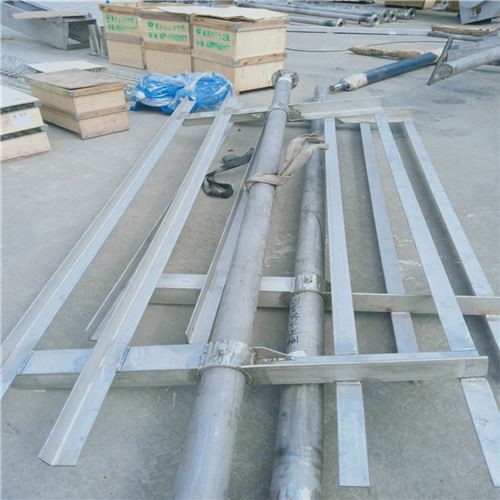
Our Frame Mixer can be customized to fit different tank geometries. The frame design allows for flexible installation, and we can adjust the position and angle of the impeller to optimize the mixing process in various tank shapes.
Viscosity Range
There's a limit to how viscous a liquid a submersible mixer can handle. Extremely viscous liquids, like some types of heavy oils or thick slurries, might be too challenging even for the most powerful submersible mixers. In these cases, alternative mixing methods, such as mechanical stirrers or in - line mixers, might be more appropriate.
However, for moderately viscous liquids, such as some types of polymers, emulsions, or thick chemical solutions, a well - designed submersible mixer can do an excellent job.
Advantages of Using Submersible Mixers for Viscous Liquids
Despite the challenges, there are some real advantages to using submersible mixers for viscous liquids.
- Efficiency: Submersible mixers are generally more energy - efficient compared to some other mixing methods. Since they're submerged directly in the liquid, they can transfer energy more effectively to the liquid, reducing wasted power.
- Space - Saving: They take up less space compared to large external mixers. This is especially important in facilities where space is limited.
- Easy Installation and Maintenance: Submersible mixers are relatively easy to install and maintain. They can be quickly submerged into the tank, and most models are designed for easy access to the motor and impeller for cleaning and repairs.
Conclusion
So, to sum it up, a submersible mixer can be used for mixing viscous liquids, but it's not a one - size - fits - all solution. You need to consider factors like power, impeller design, mixing time, tank geometry, and the viscosity range of the liquid.
If you're dealing with viscous liquids and need a reliable mixing solution, I'd love to help. We've got a range of submersible mixers that are designed to handle different viscosities and applications. Whether you're in the wastewater treatment industry, chemical manufacturing, or any other field that requires mixing, we can work together to find the perfect mixer for your needs. Just reach out, and we can start a discussion about your specific requirements.
References
- Perry, R. H., & Green, D. W. (1997). Perry's Chemical Engineers' Handbook. McGraw - Hill.
- Paul, E. L., Atiemo - Obeng, V. A., & Kresta, S. M. (2004). Handbook of Industrial Mixing: Science and Practice. John Wiley & Sons.
